NATIONWIDE SERVICES
Asbestos Abatement SERVICES
Safe, Compliant Asbestos Removal for Industrial Facilities and Demolition Projects
Call 800-669-9552
U.S. Waste Industries, Inc.
Professional Asbestos Abatement with Complete Regulatory Compliance
Licensed asbestos abatement protecting workers and ensuring full EPA NESHAP and OSHA compliance—from inspection through final disposal.
Asbestos removal eliminates cancer-causing fibers from buildings and equipment before renovation or demolition, preventing mesothelioma, lung cancer, and asbestosis in workers and building occupants. We provide licensed inspection, containment, removal, and disposal under EPA NESHAP and OSHA standards—with complete documentation proving regulatory compliance for audits, property transactions, and worker protection.
Learn About Asbestos Removal
NATIONWIDE SERVICE • REAL PEOPLE 24/7 EMERGENCY RESPONSE • 25+ YEARS • ZERO VIOLATIONS • OSHA HAZWOPER-TRAINED • DOT APPROVED • $21M INSURED
What Is Asbestos Removal?
Asbestos removal is the licensed abatement and disposal of asbestos-containing materials (ACM) to eliminate airborne fiber exposure that causes mesothelioma, lung cancer, and asbestosis. Asbestos is common in buildings constructed before 1980, and some asbestos-containing materials were used into the 1990s—appearing in insulation, fireproofing, floor tiles, ceiling tiles, roofing materials, and pipe wrap.
When disturbed during renovation or demolition, asbestos fibers become airborne and lodge permanently in lung tissue. EPA and OSHA regulations require professional assessment, containment, removal, and disposal to protect workers and building occupants.
Your facility may contain asbestos in:
- Floor tiles (9"×9", 12"×12" vinyl asbestos tile)
- Ceiling tiles (acoustic mineral fiber)
- Pipe and boiler insulation
- Spray-applied fireproofing on structural steel
- Roofing materials and mastics
- Gaskets and high-temperature packing
- Vermiculite attic insulation
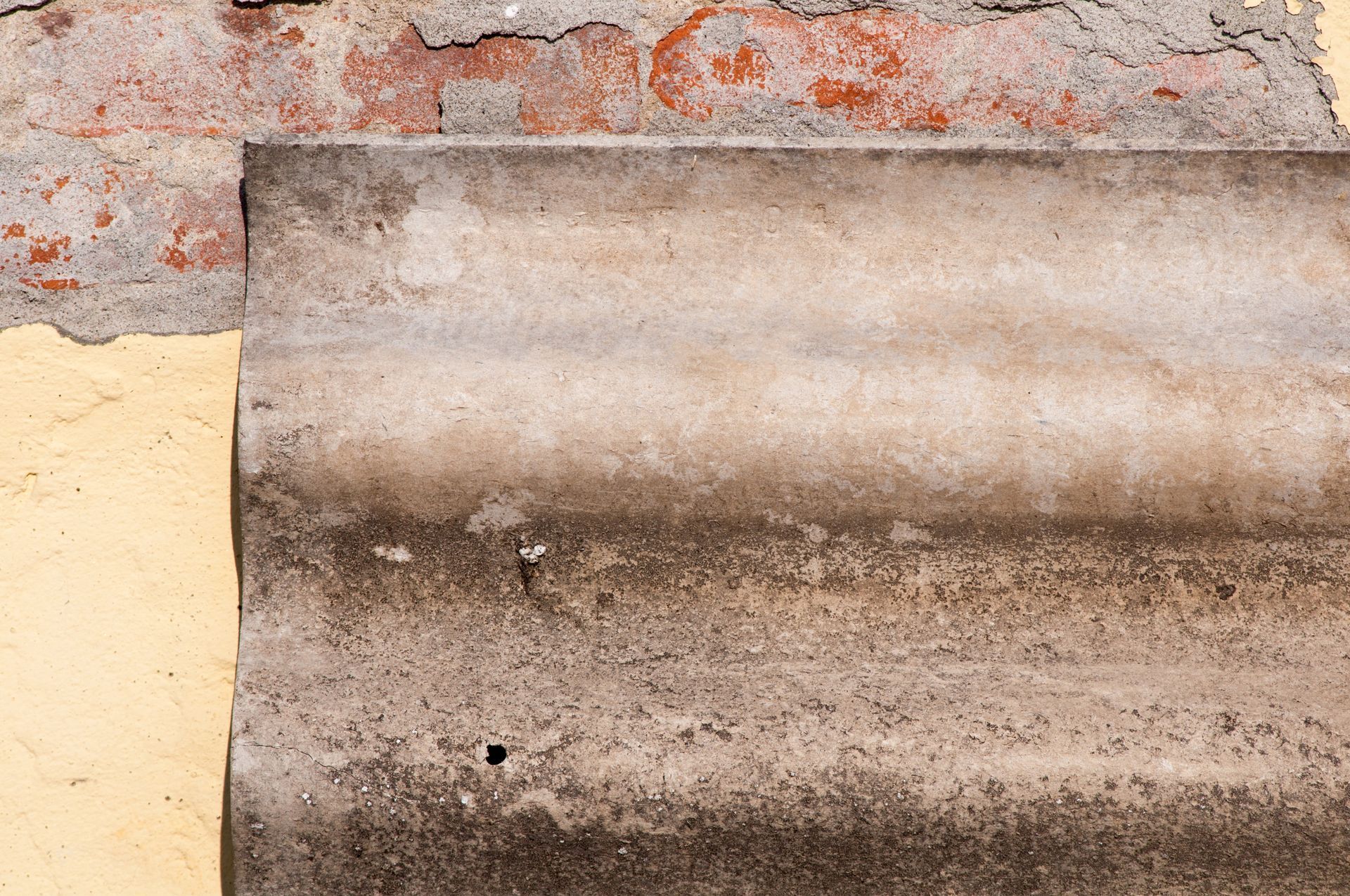
Professional asbestos services include material sampling and laboratory testing, encapsulation for intact non-friable materials, complete removal with HEPA-filtered containment systems, worker protection with respirators and protective clothing, and final disposal at state-authorized asbestos disposal landfills permitted under EPA NESHAP.
Health Risks from Asbestos Exposure
Asbestos fibers are microscopic—200 times thinner than human hair—and easily inhaled when materials are cut, sanded, drilled, or demolished. Once inhaled, fibers lodge permanently in lung tissue and cause:
Mesothelioma: Aggressive cancer of lung and abdominal lining with 6-12 month median survival after diagnosis. No cure exists.
Lung Cancer: Asbestos exposure increases lung cancer risk 5-fold; combined with smoking, risk increases 50-90 fold.
Asbestosis: Chronic lung scarring causing shortness of breath, reduced oxygen intake, and progressive respiratory failure.
These diseases have latency periods of 20-50 years. Workers exposed today may not show symptoms until decades later. This makes prevention through proper abatement critical.
When to Contact Asbestos Professionals
Contact licensed asbestos professionals before any work on buildings constructed before 2000, especially:
Plant Closures and Facility Decommissioning: Industrial facilities built before 2000 contain extensive asbestos in pipe insulation, boiler wrapping, and spray-applied fireproofing requiring complete abatement before demolition.
Demolition of Industrial Buildings: EPA NESHAP regulations require asbestos inspection and abatement before demolition projects exceeding regulated thresholds (160 sq ft of material, 260 linear ft on pipes, or 35 cubic ft off components).
Renovation Projects: Any work disturbing ceiling tiles, floor tiles, pipe insulation, or fireproofing triggers EPA notification requirements and may require licensed removal.
Abandoned Properties: Deteriorating buildings with crumbling, friable asbestos pose immediate health risks and liability requiring professional abatement.
EPA-accredited inspectors collect samples for laboratory analysis to confirm asbestos presence and develop appropriate abatement strategies—whether encapsulation or complete removal.
Asbestos Removal Methods:
Encapsulation vs. Complete Removal
Encapsulation (For Intact, Non-Friable Materials)
Encapsulation seals asbestos fibers inside materials using EPA-approved penetrating or bridging sealants. This method is cost-effective when:
- Materials are intact and non-friable (not crumbling or releasing fibers)
- ACM will not be disturbed by future renovation or demolition
- Building systems (HVAC, plumbing) won't require access through encapsulated areas
Limitations: Encapsulation is a temporary solution requiring periodic inspection and re-application. It does not eliminate asbestos and prohibits future demolition or renovation without professional removal.
Complete Asbestos Removal (Abatement)
Complete removal permanently eliminates asbestos from buildings and is required when:
Materials are friable (crumbling, damaged, or likely to release fibers)
- Demolition or major renovation is planned
- Building systems require access through ACM areas
- Property sale or transfer requires asbestos-free certification
Complete asbestos abatement uses HEPA-filtered containment systems with negative air pressure, OSHA-trained, state-licensed asbestos workers in full protective equipment and respirators, wet removal methods to suppress fiber release, and disposal at state-authorized asbestos landfills with proper waste shipment reco
U.S. WASTE INDUSTRIES Asbestos Removal Process
Step 1: Site Assessment and Material Sampling
EPA-accredited inspectors survey your building to identify suspected asbestos-containing materials, collect bulk samples from floor tiles, ceiling tiles, insulation, and other suspect materials, and submit samples to NVLAP-accredited laboratories for polarized light microscopy (PLM) analysis. Laboratory results identify asbestos type (chrysotile, amosite, crocidolite) and percentage content, determining whether materials are regulated ACM (>1% asbestos) and whether removal is required.
Step 2: Project Planning and Notifications
Licensed asbestos contractors develop project-specific abatement plans detailing work areas and containment boundaries, removal methods (wet removal, glove bag removal, mini-enclosures), worker protection and air monitoring protocols, and waste handling procedures. Plans are submitted to state environmental agencies for approval. Required notifications are submitted to the delegated EPA authority (state/local air agency) as required at least 10 working days before work begins (for projects meeting threshold quantities).
Step 3: Containment and Negative Pressure Establishment
Work areas are isolated using 6-mil polyethylene sheeting floor-to-ceiling barriers, all HVAC systems are shut down and sealed, and HEPA-filtered negative air machines create negative pressure (minimum -0.02 inches water column) to prevent fiber migration outside containment. Three-chamber decontamination units are installed at containment exits with equipment room, shower room, and clean room for worker decontamination. Air monitoring equipment is positioned to verify containment integrity throughout the project.
Step 4: Asbestos Material Removal
Workers wearing HEPA-filtered respirators and full protective clothing wet materials with amended water containing surfactant to suppress fiber release, carefully remove materials using hand tools (no power tools that create dust), double-bag waste in labeled 6-mil polyethylene bags, and HEPA vacuum all surfaces as work progresses. Removed materials are transferred through waste decontamination chambers to sealed containers for transportation. Continuous air monitoring verifies worker exposure remains below OSHA permissible limits.
Step 5: Cleanup and Final Air Clearance Testing
After removal, all surfaces undergo aggressive cleaning: HEPA vacuuming of all horizontal and vertical surfaces, wet-wiping with amended water, and final HEPA vacuuming. Independent certified industrial hygienists collect final air clearance samples using phase contrast microscopy (PCM) or transmission electron microscopy (TEM). Clearance levels must be below 0.01 f/cc (70 structures/mm² for TEM) before containment can be removed and areas reoccupied.
Step 6: Waste Transportation and Disposal
Bagged asbestos waste is loaded into enclosed leak-tight vehicles, transported to state-authorized asbestos disposal landfills, and buried in dedicated asbestos cells under minimum 6 feet of soil cover. Waste shipment records (WSRs) track materials from generation through final disposal, and disposal receipts confirm compliant landfill placement.
Step 7: Final Documentation
You receive complete project documentation including inspection reports, air monitoring data, waste shipment records (WSRs), disposal receipts, and air clearance certificates for regulatory compliance files.
Regulatory Compliance Requirements
EPA NESHAP (National Emission Standards for Hazardous Air Pollutants)
EPA's asbestos NESHAP (40 CFR Part 61, Subpart M) regulates renovation and demolition activities to prevent asbestos fiber release. Requirements include:
Notification: 10-working-day advance notice to delegated state/local air agency before projects exceeding 160 sq ft of regulated ACM, 260 linear ft on pipes, or 35 cubic ft off components.
Work Practices: Wet removal methods, HEPA-filtered negative pressure containment, proper waste handling, and disposal at authorized landfills.
Recordkeeping: Retain waste shipment records (WSRs) for at least 2 years.
Penalties: Violations may result in civil penalties exceeding tens of thousands of dollars per day per violation (inflation-adjusted annually).
OSHA Worker Protection (29 CFR 1910.1001 & 1926.1101)
OSHA standards establish strict requirements for asbestos work:
Permissible Exposure Limit (PEL): 0.1 fibers per cubic centimeter (f/cc) averaged over 8-hour workday
Excursion Limit: 1.0 f/cc averaged over 30 minutes
Air Monitoring: Required during all asbestos removal to verify exposure levels remain below limits
Respiratory Protection: HEPA-filtered respirators or supplied-air respirators required when exposure exceeds PEL
Protective Clothing: Disposable coveralls, gloves, and foot coverings to prevent fiber contamination
Decontamination: Three-chamber decontamination units with HEPA-filtered showers required for worker exit
Prohibited Activities: No eating, drinking, smoking, or chewing tobacco in asbestos work areas
DOT Hazardous Materials Rules (49 CFR)
DOT hazardous materials rules may apply, particularly for friable asbestos or regulated asbestos waste, depending on how the material is offered for transport under 49 CFR. When applicable, shipments require proper packaging, marking/labeling, shipping papers, and training.
AHERA (40 CFR Part 763)
Schools and certain educational facilities are subject to the Asbestos Hazard Emergency Response Act (AHERA), which requires inspections, management plans, periodic surveillance, and accredited personnel. Abatement activities in occupied schools must comply with both AHERA and OSHA requirements.
Common Asbestos Locations in Industrial Facilities
| Material/Location | Typical Asbestos Content | Friability Risk | Removal Requirements |
|---|---|---|---|
| Pipe Insulation | 15-100% (corrugated paper, block, wrap) | High (friable when damaged) | Full containment, wet removal |
| Boiler/Tank Insulation | 50-100% (amosite, chrysotile) | Very High (highly friable) | Negative pressure, full PPE |
| Spray-Applied Fireproofing | 1-95% (structural steel coating) | Very High (extremely friable) | Critical barrier, aggressive removal |
| Ceiling Tiles (Acoustic) | 2-10% (mineral fiber tiles) | Low (non-friable if intact) | Wet removal, minimal disturbance |
| Floor Tiles (9"×9", 12"×12") | 2-25% (vinyl asbestos tile) | Low (non-friable) | Glove bag or wet removal |
| Mastic/Adhesive | 5-15% (black cutback adhesive) | Medium (can become friable) | Chemical stripping or encapsulation |
| Roofing Materials | 10-50% (felt, shingles, coatings) | Low to Medium | Wet removal, proper disposal |
| Gaskets & Packing | 60-100% (high-temp applications) | High (when dry or damaged) | Glove bag removal, wet methods |
| Vermiculite Insulation | 0.1-5% (Libby, MT source) | Medium to High (friable) | Full containment, HEPA vacuuming |
Industries We Serve
Manufacturing Facilities
Pipe insulation on steam lines, boiler wrapping, spray-applied fireproofing on structural steel, gaskets, and packing materials in high-temperature equipment
Chemical Processing Plants
Reactor vessel insulation, heat exchanger wrapping, pipe insulation throughout process areas,and fireproofing on support structures
Power Generation & Utilities
Boiler and turbine insulation, pipe wrapping on steam distribution systems, fireproofing materials, and electrical equipment gaskets
Food & Beverage Processors
Pipe insulation on processing lines, ceiling tiles in production areas, floor tiles in warehouses, boiler room insulation
Automotive & Aerospace
Floor tiles in manufacturing areas, ceiling tiles in assembly buildings, pipe insulation in paint booths, and ovens
Construction & Demolition
Floor tiles, ceiling tiles, roofing materials, pipe insulation, and fireproofing in buildings constructed before 2000
Pharmaceutical & Biotech
Laboratory ceiling and floor tiles, pipe insulation in utility areas, HVAC duct insulation, and fireproofing materials
Universities & Research Institutions
Ceiling tiles in classrooms and labs, floor tiles in dormitories, pipe insulation in mechanical rooms, spray-applied fireproofing in older buildings
Emergency Asbestos Response Services
Damaged or deteriorating asbestos materials require immediate professional response to contain fiber release and protect building occupants. Our 24/7 emergency crews provide rapid containment, air monitoring, temporary encapsulation or emergency removal, and coordination with OSHA and EPA.
Emergency Hotline: 800-727-9796 available around the clock for immediate asbestos incidents requiring professional intervention.
Why Work With U.S. Waste Industries
Service-Driven: Licensed Expertise
State-licensed asbestos abatement contractors with EPA-accredited inspectors and OSHA-trained removal crews. All supervisors and workers hold state-required licenses and complete annual refresher training in respiratory protection, confined space entry, and HAZWOPER. Turnkey project management from initial inspection through final air clearance eliminates coordination delays. Single-vendor accountability for inspection, abatement, testing, and disposal ensures regulatory compliance without managing multiple contractors.
Client-Focused: Direct Access
Family-owned business with 25+ years in environmental services. Every customer receives a dedicated project manager with direct cell phone access who understands industrial facility requirements. Real people answer phones 7 AM–5 PM weekdays. 24/7 emergency hotline: 800-727-9796. We manage all regulatory requirements including NESHAP notifications, OSHA documentation, state permits, and waste shipment records—protecting your project from violations and delays.
Guaranteed Compliance: Complete Documentation
Every asbestos project includes EPA-accredited inspection reports with laboratory results, abatement plans and permit approvals, daily air monitoring logs, waste shipment records and disposal receipts, and final air clearance certificates. This documentation satisfies EPA requirements, protects your property from liability, and supports due diligence for property transactions. $21 million pollution liability insurance protects your facility.
ASBESTOS PROJECT
CASE STUDY: Georgia School Demolition
Challenge: 25,000 sq-ft asbestos-containing school building requiring abatement before demolition to create church parking lot. Project required permitting, asbestos removal, controlled demolition, and site preparation—all within tight timeline.
Solution: Obtained all required state/local permits and filed required Asbestos NESHAP notifications with the delegated authority. Removed ~10,000 sq-ft asbestos-containing materials. Proper bagging, labeling, and transportation per Georgia regulations. Controlled demolition with debris removal. Site grading and preparation for paving contractor.
Results: Asbestos abatement: 4 days. Complete demolition: 7 days. Total project: 11 days. 10,000 sq-ft parking lot ready for paving. Zero environmental violations.
REQUEST A QUOTE FOR asbestos assessment SERVICES
If you're planning demolition, renovation, or facility closure for buildings constructed before 2000, contact U.S. Waste Industries for professional asbestos assessment.
What to include
Provide building address and construction date, describe planned work (demolition, renovation, specific areas), mention known or suspected asbestos materials, and indicate project timeline and urgency.
ASBESTOS REMOVAL FAQs
How do I know if my building contains asbestos?
Any building constructed before 2000 may contain asbestos in floor tiles, ceiling tiles, pipe insulation, fireproofing, or roofing materials. Visual identification is unreliable—laboratory testing is required. EPA-accredited inspectors collect bulk samples for polarized light microscopy (PLM) analysis to confirm asbestos presence and percentage content.
Is encapsulation better than removal?
Encapsulation is cost-effective for intact non-friable materials that won't be disturbed, but it's temporary—requiring periodic re-application and inspection. Complete removal is required for friable materials, demolition projects, or renovation work disturbing ACM. Removal permanently eliminates asbestos and allows unrestricted future use.
Do I need permits for asbestos removal?
Yes. EPA NESHAP regulations require 10-working-day advance notification to the delegated state/local air agency before asbestos removal exceeds regulatory thresholds (160 sq ft, 260 linear ft, or 35 cubic ft). Many states require additional permits and contractor licensing.
How long does asbestos removal take?
Project duration depends on material type, quantity, and accessibility. Small projects (floor tile removal in single rooms) may take 1-3 days. Large industrial projects with extensive pipe insulation or fireproofing removal can take several weeks. Containment setup, removal work, cleanup, and final air clearance testing all factor into timelines.
What happens to asbestos waste after removal?
Removed asbestos is double-bagged in labeled 6-mil polyethylene bags, transported in leak-tight enclosed vehicles, and disposed at state-authorized asbestos landfills with dedicated asbestos disposal cells. Waste is buried under minimum 6 feet of soil cover to prevent fiber release. We provide waste shipment records (WSRs) and disposal documentation for your records.
Can I do asbestos removal myself to save costs?
No. Most states require licensed contractors for asbestos removal exceeding small quantities. DIY removal risks severe health consequences from improper containment and worker protection, EPA violations up to $51,744 per day for NESHAP non-compliance, OSHA citations for inadequate worker protection, and property damage from inadequate containment.
What is the difference between friable and non-friable asbestos?
Friable asbestos can be crumbled by hand pressure, easily releasing airborne fibers. Examples include spray-applied fireproofing, damaged pipe insulation, and deteriorating ceiling tiles. Non-friable asbestos is bound in solid materials like floor tiles or roofing and doesn't release fibers unless disturbed by cutting, grinding, or demolition.
Related Services TO ASBESTOS ABAtEMENT
Industrial Demolition Services
Complete structural dismantling and site clearance after abatement
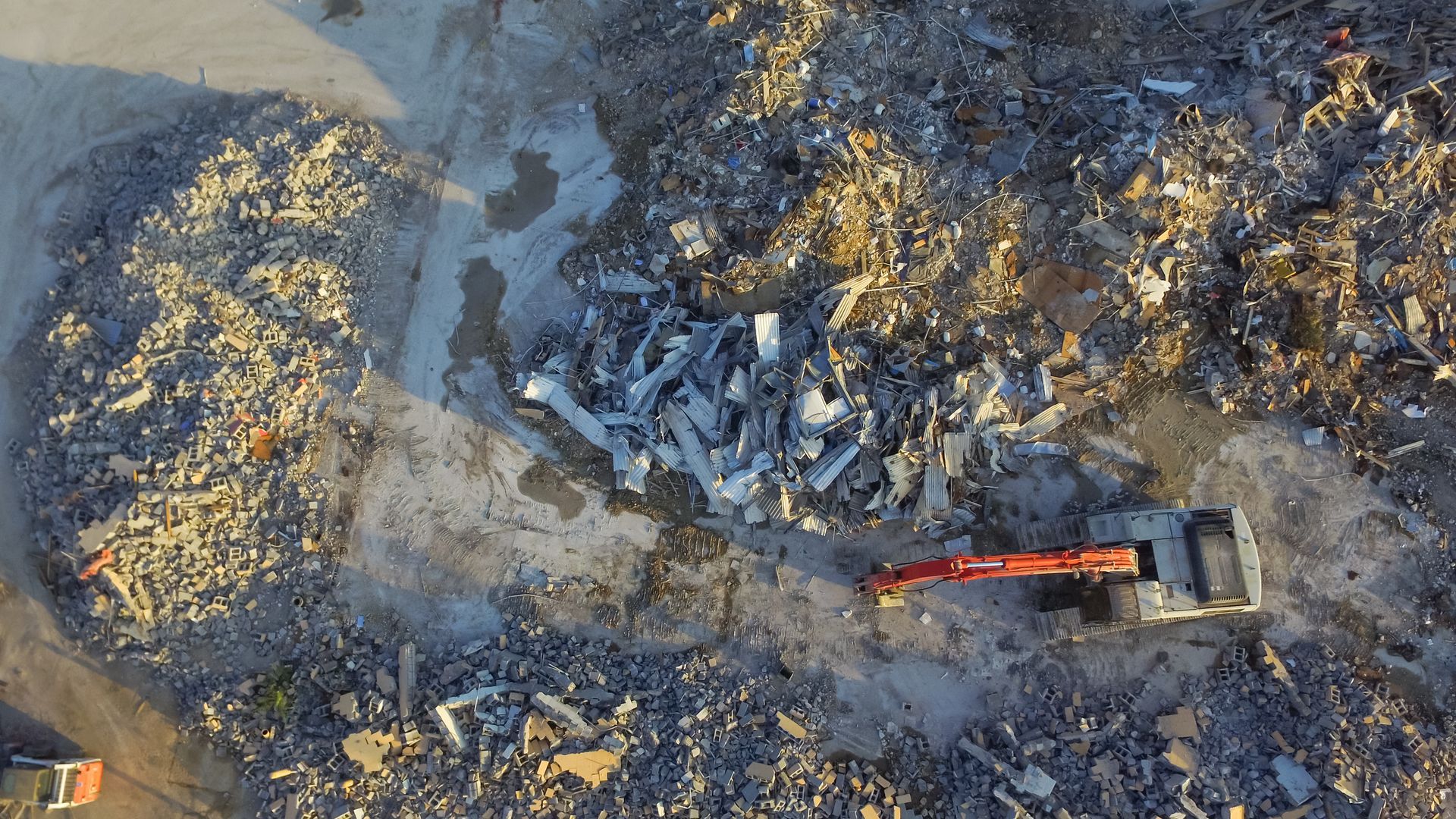
Industrial Demolition Services
Complete structural dismantling and site clearance after abatement