NATIONWIDE SERVICES
INDUSTRIAL TANK CLEANING
OSHA-Trained Tank Cleaning for Storage Tanks, Process Vessels, and Reactors
Call 800-669-9552
U.S. Waste Industries, Inc.
Industrial Tank Cleaning with Confined Space Safety and Complete Waste Documentation
Industrial tank cleaning removes sludge, scale, chemical residues, and sediment from storage tanks, process vessels, and reactors to maintain equipment performance, prevent contamination, and comply with EPA and OSHA regulations. We provide OSHA-trained permit-required confined space (PRCS) teams, hydroblasting and vacuum extraction, hazardous waste determination and disposal, and complete documentation for inspections, turnarounds, and regulatory compliance.
Learn About Industrial Tank Cleaning and Removal
NATIONWIDE SERVICE • REAL PEOPLE 24/7 EMERGENCY RESPONSE • 25+ YEARS • ZERO VIOLATIONS • OSHA HAZWOPER-TRAINED • DOT APPROVED • $21M INSURED
What Is Industrial Tank Cleaning?
Industrial tank cleaning is the removal of sludge, scale, chemical residues, and sediment from storage tanks, process vessels, and reactors using specialized equipment and confined space entry procedures. Tanks accumulate buildup from product storage, chemical reactions, wastewater treatment, and petroleum processing—reducing capacity, causing contamination, accelerating corrosion, and creating hazardous atmospheres requiring professional cleaning.
Tank cleaning is required for:
- Scheduled Maintenance: Routine cleaning during plant turnarounds to inspect vessel integrity and maintain equipment performance
- Product Changeovers: Removing residues before switching products to prevent cross-contamination
- Regulatory Inspections: Preparing tanks for API 653 inspections, state UST compliance checks, or EPA audits
- Decommissioning Projects: Cleaning and removing tanks during facility closures or demolition
- Emergency Response:
Addressing spills, leaks, or contamination requiring immediate tank cleaning and waste removal
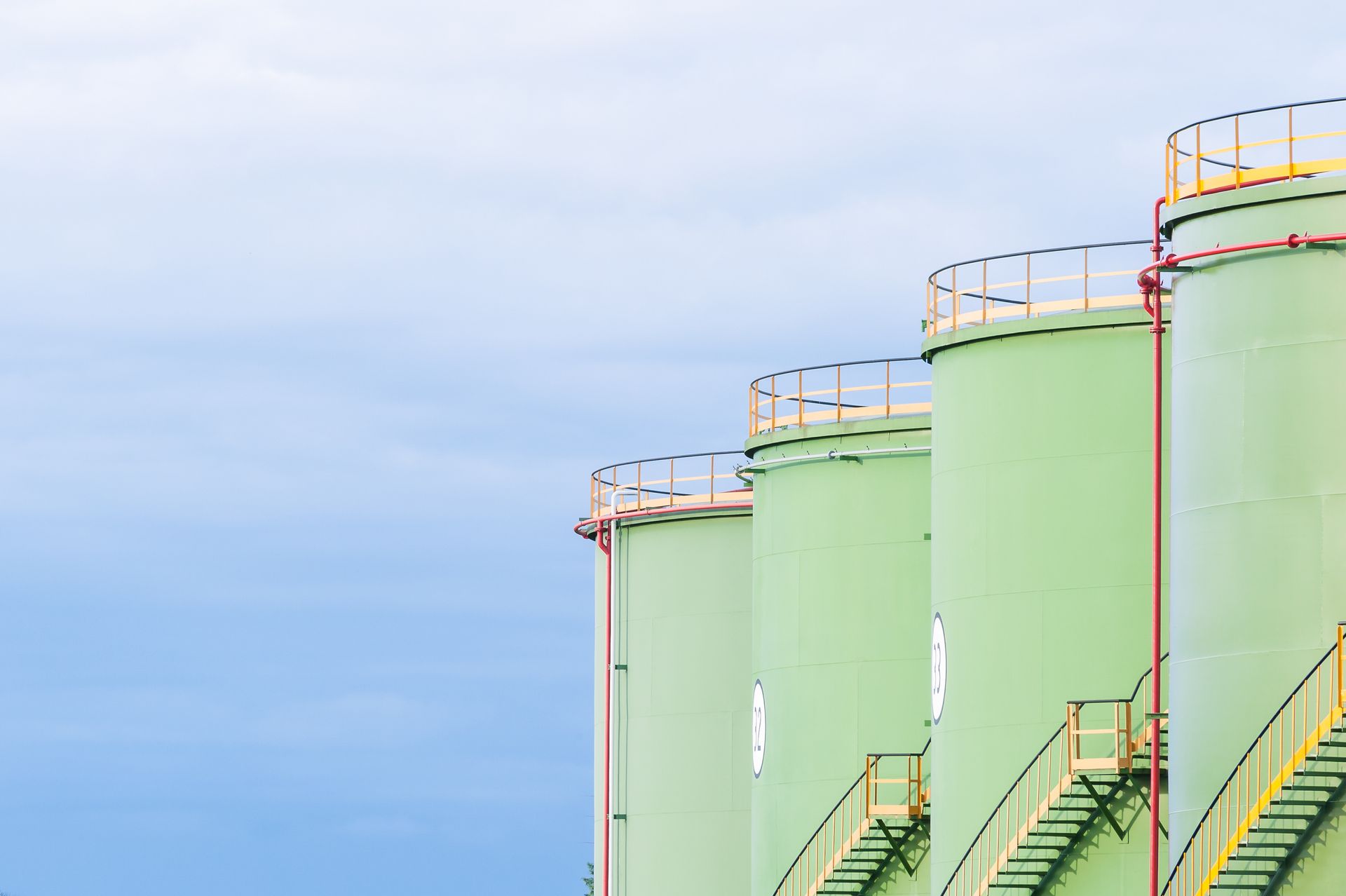
Professional tank cleaning services include pre-entry hazard evaluation (H₂S, benzene/VOCs, oxygen deficiency, LEL screening), confined space entry with OSHA-trained crews operating under written PRCS programs, hydroblasting and vacuum extraction, waste characterization and disposal, and complete documentation including entry permits, atmospheric monitoring logs, and waste shipment records.
Why Professional Tank Cleaning Is Essential
Worker Safety and Confined Space Hazards
Tanks contain life-threatening hazards including oxygen deficiency, toxic gases (H₂S, benzene, ammonia), flammable vapors (LEL), pyrophoric iron sulfide deposits that ignite upon air contact, and engulfment risks from sludge or product residues. OSHA regulations (29 CFR 1910.146 and 29 CFR 1926 Subpart AA when the work falls under construction activities) require written permit programs, atmospheric testing, ventilation, rescue equipment, and trained entrants/attendants/supervisors before anyone enters a tank.
Professional tank cleaning protects workers through pre-entry hazard screening, continuous atmospheric monitoring, proper ventilation and vapor control, OSHA-trained PRCS teams with confined space rescue capability, and isolation/LOTO with line blinds and zero-energy verification.
Equipment Integrity and Corrosion Prevention
Sludge and scale buildup accelerates corrosion by trapping moisture and corrosive compounds against tank walls. Regular cleaning extends tank life, prevents leaks that cause environmental contamination and expensive remediation, maintains storage capacity for operational efficiency, and prepares tanks for ultrasonic thickness (UT) testing and integrity inspections required under API 653 for applicable aboveground petroleum storage tanks and under state UST programs where applicable.
Regulatory Compliance and Liability Reduction
EPA and state regulations require proper waste characterization, transportation, and disposal of tank residues. Tank cleaning generates waste that may be classified as hazardous waste under RCRA, non-hazardous industrial waste, or recyclable materials depending on characterization and facility acceptance. Professional cleaning ensures hazardous waste determination and EPA hazardous waste manifesting when required (or other applicable shipping documentation for non-hazardous/state-regulated waste), disposal at RCRA-permitted (or interim status) TSDFs and other authorized facilities, and inspection-ready documentation including entry permits, atmospheric logs, waste profiles, and disposal records.
Failure to comply with OSHA confined space requirements or EPA waste regulations results in civil penalties exceeding tens of thousands of dollars per day per violation, depending on the applicable OSHA or EPA statute and adjusted annually for inflation, work stoppages and production delays, and potential criminal prosecution for knowing endangerment.
INDUSTRIAL Tank Types We Clean
Aboveground Storage Tanks (ASTs)
Crude oil and refined product storage, chemical feed and process tanks, water treatment and clarifier tanks, fuel storage for generators and equipment, and vertical/horizontal cylindrical tanks up to millions of gallons capacity.
Underground Storage Tanks (USTs)
Fuel storage tanks at industrial facilities and fleet operations, chemical storage tanks requiring excavation access, and UST closure/removal typically governed by state UST programs under 40 CFR Part 280 with scope and documentation varying by jurisdiction.
Process Vessels and Reactors
Chemical reactors and synthesis vessels, fermentation tanks and bioreactors, mixing and blending tanks, heat exchangers and condensers, and distillation columns and separators.
Specialized Tanks
API 650/653 crude oil storage tanks at refineries and terminals, frac tanks and portable storage units, railroad tank cars and tanker trucks, settling basins and sludge ponds, and digester tanks at wastewater treatment plants.
Tank Cleaning Methods
Hydroblasting (High-Pressure Water Jetting)
High-pressure water jetting (10,000–40,000 PSI) removes hardened scale, rust, chemical buildup, and coatings when properly selected and controlled to protect tank steel, coatings, and linings. Hydroblasting is effective for petroleum sludge and paraffin deposits, chemical scale and mineral buildup, rust and corrosion products, and old coatings before reapplication. Our crews use rotating hydroblast nozzles for 360-degree coverage, adjustable pressure settings based on substrate and residue type, and water recovery systems to capture contaminated water for proper disposal.
Vacuum Extraction (Heavy-Duty Industrial Vacuums)
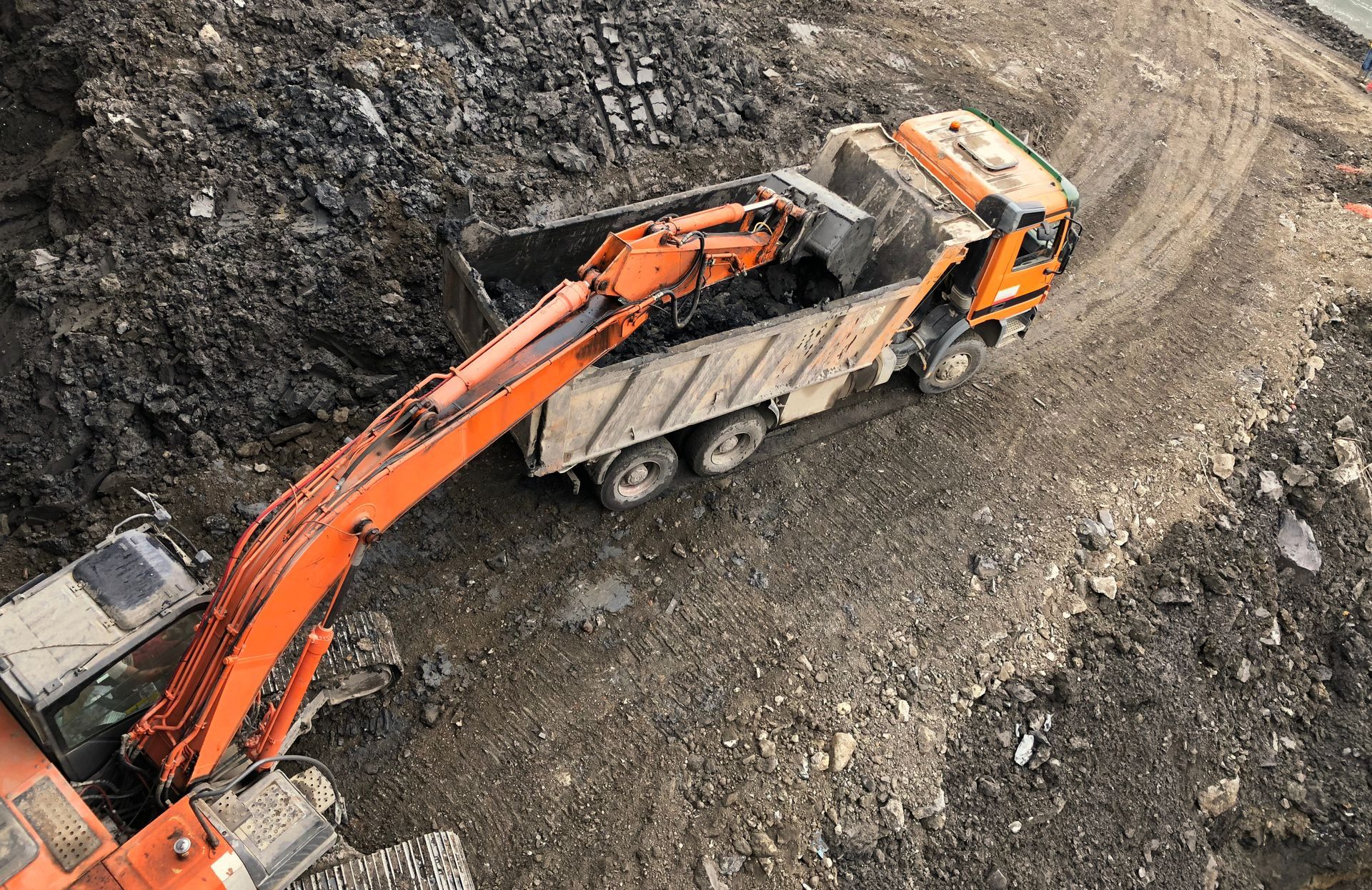
Industrial vacuum trucks remove liquid sludge, oily residues, and loose sediment without confined space entry in many cases. Vacuum extraction is ideal for routine maintenance cleanings, product heel removal, stormwater and wastewater tanks, and pre-cleaning before manned entry. Our vacuum trucks support large-volume sludge removal projects exceeding 100,000 gallons through staged vacuum extraction, heated vacuum systems for heavy oils and paraffins, and explosion-proof equipment for flammable vapor environments.
Chemical Cleaning and Degreasing
Chemical cleaning uses solvents, detergents, or acid/base solutions to dissolve residues when mechanical methods are insufficient. Applications include removing polymerized resins and organic coatings, dissolving mineral scale and calcium deposits, neutralizing acidic or alkaline residues, and preparing tanks for food-grade or pharmaceutical use. Chemical cleaning supports sanitary requirements and customer/food safety programs (e.g., SSOP/HACCP expectations) and documented changeovers.
Manual Cleaning (Confined Space Entry)
When automated methods cannot reach all areas, OSHA-trained crews perform manual scraping, scrubbing, and removal under full confined space protocols. Manual cleaning is required for complex internal structures (baffles, heating coils, agitators), tanks with limited access openings, removing hardened deposits that resist hydroblasting, and final cleaning before inspection or coating application.
Compliance & Safety Requirements
OSHA Permit-Required Confined Space Entry (PRCS)
OSHA regulations (29 CFR 1910.146 for general industry, 29 CFR 1926 Subpart AA for construction activities) require written permit programs before entering tanks. Requirements include:
Atmospheric Testing: Continuous monitoring for oxygen (19.5%–23.5%), LEL (below 10% of lower flammable limit), H₂S, CO, and other contaminants specific to tank contents
Ventilation: Forced-air ventilation to maintain safe atmosphere; natural ventilation insufficient for most tanks
Entry Permits: Written permits signed by supervisors documenting hazards, controls, atmospheric readings, and emergency contacts
Trained Personnel: Designated entrants, attendants (stationed outside to monitor entrants), and entry supervisors trained in PRCS procedures and rescue
Rescue Capability: On-site rescue equipment and personnel trained in confined space rescue, or arrangements with local emergency response teams
Isolation: LOTO (lockout/tagout) of all energy sources, line blinds/blanks on connected piping, drain and flush procedures, and verification of zero energy before entry
HAZWOPER Training (29 CFR 1910.120)
Workers entering tanks containing hazardous substances or operating under hazardous waste or emergency response conditions require OSHA HAZWOPER training:
- 40-hour HAZWOPER for hazardous waste site workers
- 8-hour annual refresher training
- Site-specific training on tank hazards and emergency procedures
Waste Characterization and Disposal
Tank residues may be managed as hazardous waste, non-hazardous industrial waste, or recyclable materials depending on characterization and facility acceptance. We support:
- Sampling and TCLP (Toxicity Characteristic Leaching Procedure) testing where required
- Waste profiles for TSDF approval
- LDR (Land Disposal Restrictions) notices where applicable
- EPA hazardous waste manifests (when required), waste shipment records, or DOT-required shipping papers when tank residues meet DOT hazardous material definitions under 49 CFR.
- Disposal at RCRA-permitted (or interim status) TSDFs and other authorized facilities
Industry Standards and References
Common owner/industry references for tank cleaning and inspection include:
- API 653: Tank inspection, repair, alteration, and reconstruction for aboveground petroleum storage tanks
- API RP 2016: Safe entry and cleaning of petroleum storage tanks
- NFPA 326: Safeguarding of tanks and containers for entry, cleaning, or repair
- 40 CFR Part 280: Federal UST regulations (state UST programs vary)
Our Tank Cleaning Process
Step 1: Pre-Entry Assessment and Hazard Evaluation
Our team conducts site visits to evaluate tank configuration, access points, residue type, and hazards. Assessment includes:
- Review of tank history, contents, and SDS (Safety Data Sheets)
- Visual inspection of external condition and access openings
- Preliminary atmospheric screening for H₂S, benzene/VOCs, oxygen deficiency, LEL, and pyrophoric iron sulfide risk
- Development of project-specific confined space entry plan and JSA (Job Safety Analysis)
- Coordination with facility personnel on isolation, LOTO, hot work permits, and emergency response
Step 2: Isolation, Degassing, and Vapor Control
Before any cleaning begins, tanks must be properly isolated and degassed:
- Isolation/LOTO of electrical, mechanical, and hydraulic energy sources
- Installation of line blinds/blanks on all connected piping
- Draining remaining product and flushing with water or approved solvent
- Controlled degassing and vapor control with ventilation or inerting
- Confirmation testing to verify safe entry atmosphere (oxygen, LEL, toxics)
Step 3: Confined Space Entry and Cleaning Operations
OSHA-trained crews enter tanks under full PRCS protocols with continuous atmospheric monitoring, forced-air ventilation maintaining safe oxygen and LEL levels, entry attendants stationed outside monitoring conditions and maintaining communication, and rescue equipment and personnel standing by.
Cleaning operations use hydroblasting to remove scale and buildup, vacuum extraction to remove sludge and liquids, manual scraping and scrubbing for stubborn deposits, and chemical cleaning when specified for residue dissolution.
Step 4: Waste Removal and Disposal
All removed materials are containerized, characterized, and disposed according to EPA and state regulations:
- Sampling and waste characterization (TCLP, ignitability, pH as needed)
- Segregation of hazardous, non-hazardous, and recyclable materials
- EPA hazardous waste manifesting when required; otherwise applicable shipping documentation when tank residues meet DOT hazardous material definitions under 49 CFR.
- Transportation to RCRA-permitted TSDFs or other authorized facilities
- Certificates of disposal and waste shipment records provided for compliance files
Step 5: Inspection and Documentation
After cleaning, tanks are inspected and documented:
- Visual inspection of interior surfaces and structural components
- UT (ultrasonic thickness) testing if specified for corrosion assessment
- Photography documenting cleaned condition
- Post-cleaning atmospheric testing confirming safe re-entry for inspections or coating work
Step 6: Final Documentation Package
You receive complete project documentation including:
- Confined space entry permits with atmospheric monitoring logs
- Calibration records for gas detection equipment
- JSA (Job Safety Analysis) and daily tailgate safety meetings
- Waste determinations, profiles, and characterization reports
- EPA hazardous waste manifests or other shipping papers
- Disposal receipts and certificates from receiving facilities
- Post-cleaning inspection reports and photo logs
- UT thickness reports if performed
Industries We Serve
Chemical Manufacturing
Reactor vessels, storage tanks, mixing tanks, process vessels containing acids, bases, solvents, and specialty chemicals
Petroleum Refining and Terminals
Crude oil storage tanks, product storage (gasoline, diesel, jet fuel), slop tanks, process vessels, and API 653-governed tanks
Food and Beverage Processing
Product storage tanks, fermentation vessels, mixing tanks, CIP (clean-in-place) systems, and documented sanitary cleaning for changeovers
Pharmaceutical and Biotech
Bioreactors, fermentation tanks, process vessels requiring validated cleaning and sanitary documentation
Wastewater Treatment
Clarifiers, settling tanks, digester tanks, chemical feed tanks, and sludge storage tanks
Power Generation and Utilities
Fuel storage tanks, water treatment tanks, cooling tower basins, and chemical feed systems
Pulp and Paper Mills
Black liquor storage, recovery tanks, chemical storage, and process vessels
Agriculture and Fertilizer Production
Liquid fertilizer storage, ammonia tanks, pesticide storage, and molasses tanks
Emergency Tank Cleaning Services
Tank failures, spills, and contamination require immediate professional response to contain releases, protect workers, and prevent environmental damage. Our 24/7 emergency crews provide rapid containment of leaks and overflows, emergency tank cleaning and product recovery, confined space rescue coordination, and hazardous waste removal and disposal.
Emergency Hotline: 800-727-9796 available around the clock for immediate tank cleaning emergencies requiring professional intervention.
Why Work With U.S. Waste Industries
Service-Driven: Trained Teams and Safety Focus
OSHA-trained PRCS teams operating under written confined space entry programs with designated entrants, attendants, and supervisors. All field personnel complete HAZWOPER training and annual refreshers. Confined space rescue equipment and trained rescue personnel on-site for every entry. Strong safety performance supported by documented programs, training, and job-specific planning.
Client-Focused: Direct Access and Accountability
Family-owned business with 25+ years in environmental services. Real people answer phones 7 AM–5 PM weekdays with direct project manager access via cell phone. 24/7 emergency hotline: 800-727-9796. Single point of contact managing isolation, cleaning, waste disposal, and documentation—no coordination across multiple vendors.
Guaranteed Compliance: Inspection-Ready Documentation
25+ years supporting compliant projects with inspection-ready documentation. Every tank cleaning project includes confined space entry permits and atmospheric monitoring logs, waste characterization reports and profiles, EPA hazardous waste manifests or applicable shipping papers, disposal receipts from RCRA-permitted facilities, and post-cleaning inspection reports with photo documentation. This documentation satisfies OSHA requirements, supports EPA compliance, and protects facilities during inspections and audits.
REQUEST A QUOTE FOR INDUSTRIAL RECYCLING SERVICES
If your facility generates hazardous waste requiring compliant disposal, approaches EPA storage time limits, faces upcoming Biennial Report deadlines, or needs emergency spill response, request a quote for immediate assessment and pricing.
What to include
Provide waste type and EPA codes (corrosive, toxic, ignitable, reactive), estimated quantities (drums, gallons, tons), current storage location and duration, Safety Data Sheets or laboratory analysis if available, generator status (LQG, SQG, VSQG), and any compliance deadlines, permit issues, or recent inspections. Photos of waste containers and storage areas help us provide accurate project scope and timeline.
Industrial Tank Cleaning FAQs
How do I know if my tank needs professional cleaning?
Tanks require professional cleaning when you're preparing for internal inspections (API 653, state UST programs), switching products or preparing for sale/shutdown, experiencing capacity loss from sludge buildup, detecting corrosion or leaks requiring investigation, or facing regulatory requirements for cleaning and closure. Any tank requiring manned entry must follow OSHA confined space regulations—professional crews ensure compliance and worker safety.
Can we clean tanks ourselves to save costs?
No. OSHA confined space regulations require written permit programs, atmospheric testing, trained personnel, rescue capability, and proper ventilation. Companies without confined space programs face civil penalties exceeding tens of thousands of dollars per day, serious worker injury or death from atmospheric hazards, and liability exposure from improper waste disposal. Professional cleaning protects workers, ensures regulatory compliance, and provides documentation for inspections.
What happens to waste removed from tanks?
Tank residues may be hazardous waste (requiring EPA manifesting and TSDF disposal), non-hazardous industrial waste (landfill or recycling), or recyclable materials (oil reclamation, metal recovery). We sample and characterize all waste, provide waste profiles for facility approval, manifest hazardous waste to RCRA-permitted TSDFs, and supply disposal documentation for compliance records.
How long does tank cleaning take?
Duration depends on tank size, residue type, and access. Small tanks (1,000–5,000 gallons) may take 1–2 days. Large crude oil storage tanks (500,000+ gallons) can require 3–7 days including degassing, cleaning, and waste removal. We coordinate schedules to minimize downtime during turnarounds and maintenance windows.
Do you provide emergency tank cleaning services?
Yes. Our 24/7 emergency response teams handle tank failures, spills, and contamination requiring immediate cleaning and waste removal. Emergency services include rapid containment, confined space entry with trained crews, product recovery and waste disposal, and coordination with regulatory agencies. Call 800-727-9796 for immediate emergency response.
What documentation do we receive after cleaning?
You receive confined space entry permits with atmospheric monitoring logs, waste characterization reports and profiles, EPA hazardous waste manifests or applicable shipping papers, disposal receipts from receiving facilities, post-cleaning inspection reports, and photo documentation of cleaned conditions. This package supports OSHA compliance, EPA audits, and facility inspections.
Related Services TO INDUSTRIAL TANK CLEANING
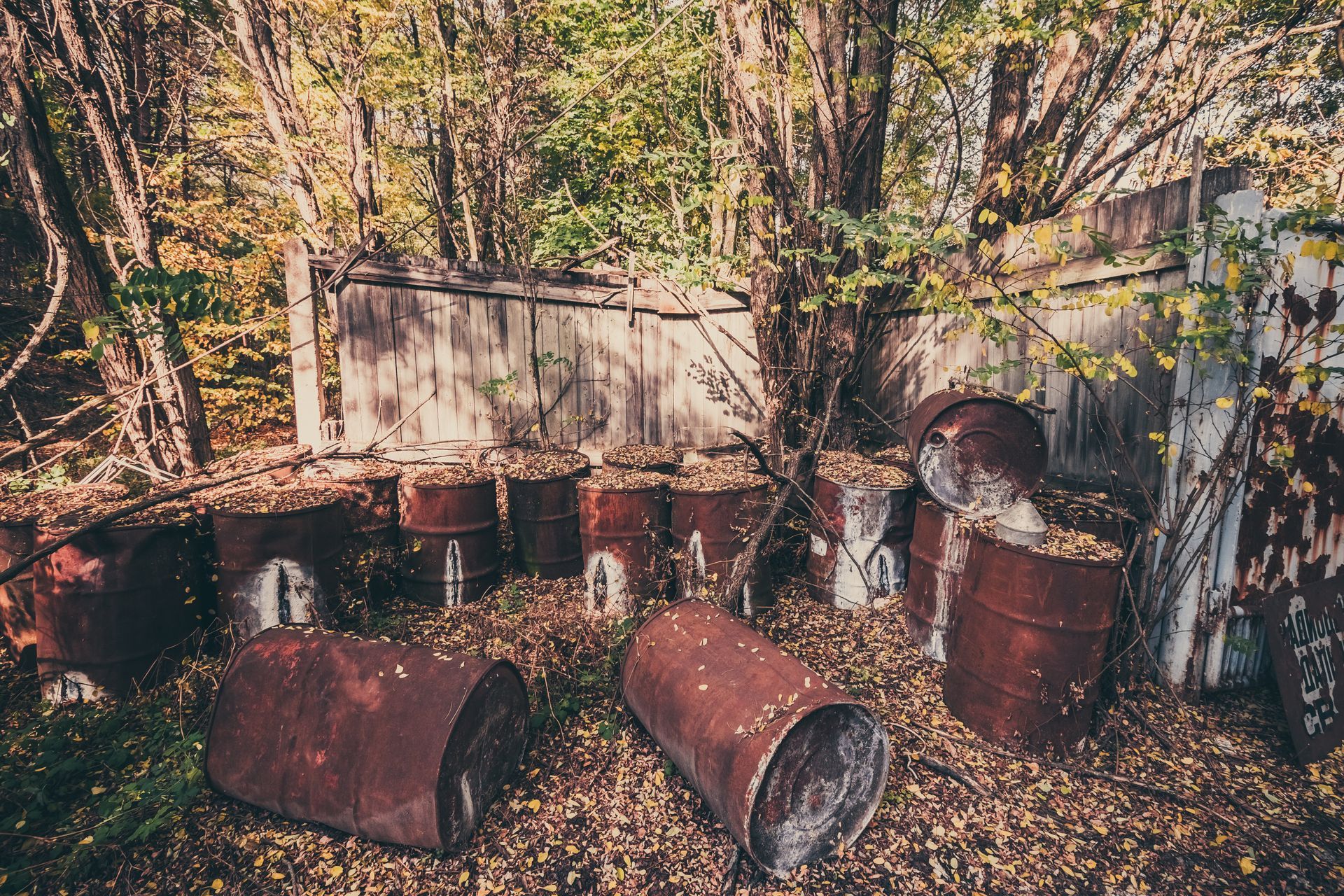
Emergency Response Services
Tank failures, spills, and contamination require immediate professional containment, cleanup, and waste removal with 24/7 availability and rapid nationwide mobilization.
Pond & Lagoon Cleanouts
Industrial wastewater lagoons and settling basins require periodic sludge removal using similar vacuum extraction and solidification techniques as tank cleaning.
Hazardous Waste Disposal
Tank residues classified as RCRA hazardous waste require proper characterization, manifesting, transportation, and disposal at permitted TSDFs with complete documentation.
Emergency Response Services
Tank failures, spills, and contamination require immediate professional containment, cleanup, and waste removal with 24/7 availability and rapid nationwide mobilization.
Pond & Lagoon Cleanouts
Industrial wastewater lagoons and settling basins require periodic sludge removal using similar vacuum extraction and solidification techniques as tank cleaning.