NATIONWIDE SERVICES
Site Remediation AND ASSESMENT Services
Complete Environmental Cleanup from Contaminated Soil Removal Through State Agency Closure
Call 800-669-9552
U.S. Waste Industries, Inc.
Turnkey Site Remediation: Eliminating Environmental Liability and Restoring Property Value
Professional environmental cleanup managing contaminated soil excavation, hazardous material removal, and regulatory coordination—delivering No Further Action letters that protect you from future liability and enable property sale, financing, or redevelopment.
Learn About Site Remediation
NATIONWIDE SERVICE • REAL PEOPLE 24/7 EMERGENCY RESPONSE • 25+ YEARS • ZERO VIOLATIONS • OSHA HAZWOPER-TRAINED • DOT APPROVED • $21M INSURED
What Is Site Remediation?
Site remediation is the cleanup and restoration of contaminated properties to safe, regulatory-compliant conditions suitable for sale, financing, or redevelopment. Remediation eliminates health risks from toxic chemicals, achieves regulatory closure through state agency No Further Action letters, and protects property value by removing contamination that blocks financing and triggers enforcement actions.
Contamination requiring remediation includes soil and groundwater impacted by petroleum products (gasoline, diesel, fuel oil), chlorinated solvents (TCE, PCE from dry cleaning or degreasing), heavy metals (lead, chromium, arsenic), and hazardous building materials (asbestos, lead paint, PCBs). Properties become contaminated through underground storage tank leaks, industrial operations, improper waste disposal, or legacy activities from previous owners.
Professional site remediation supports compliance under applicable state cleanup programs and, where applicable, CERCLA authorities—while documenting all work for regulatory closure and permanent liability protection. Projects range from small commercial properties requiring single underground storage tank removals to large industrial facilities needing multi-phase cleanup under state oversight.
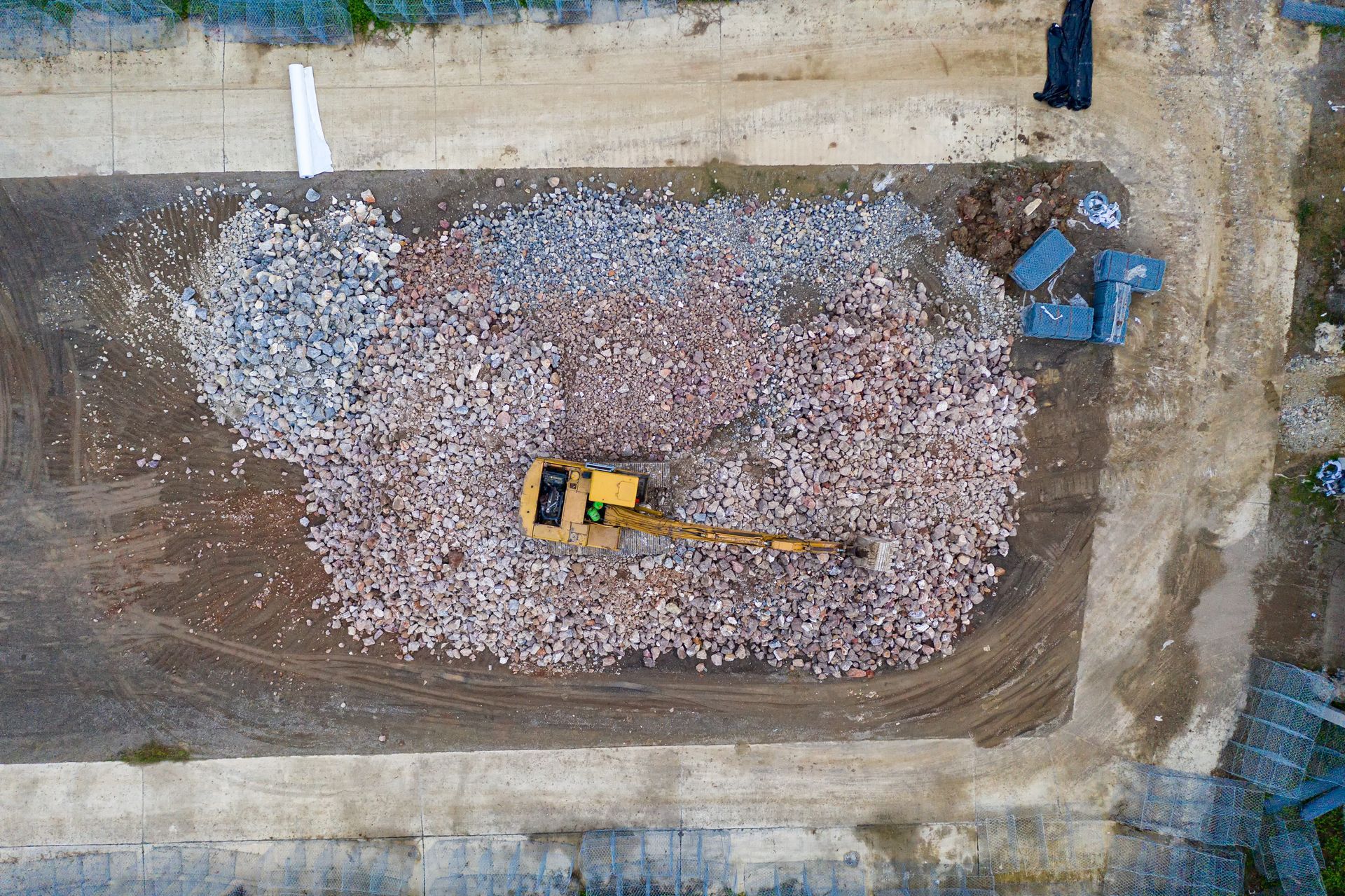
Site remediation includes Phase I/II environmental assessments following ASTM E1527-21 standards, remedial action plan development and state agency approval, contaminated soil and groundwater cleanup using excavation or treatment technologies, hazardous material abatement and removal, confirmation sampling proving cleanup standard achievement, and state closure letters (No Further Action) releasing properties from regulatory oversight.
When Remediation Is Legally Required
Understanding regulatory triggers helps you manage risk and avoid enforcement actions.
Immediate Action Required:
- EPA or State Enforcement Notice: Administrative orders requiring investigation or cleanup; potential civil penalties can exceed $80,000 per day depending on statute and adjustment
- Phase II Assessment Above Cleanup Standards: Laboratory results showing contamination exceeding state risk-based concentrations trigger mandatory remediation
- Property Sale Contract Requirements: Buyer Phase I assessment identifies contamination blocking closing or requiring escrow holds based on lender/buyer risk tolerance
- Lender Financing Denial: Banks require Phase I assessments; identified contamination prevents financing until remediation completed and closure letters obtained
- Worker Exposure Documentation: OSHA complaints or health department notifications regarding chemical exposure require immediate investigation and cleanup
- Off-Property Migration: Contamination affecting neighboring wells or surface water triggers third-party liability and regulatory intervention
Voluntary Action (Highly Recommended):
- Property Sale or Refinancing Planned: Begin remediation 12-24 months before transactions to avoid price reductions or deal delays depending on risk and cleanup scope
- Brownfield Redevelopment Opportunity: State voluntary cleanup programs offer liability protections and tax incentives for contaminated property redevelopment
- Legacy Contamination Discovery: Routine facility operations or upgrades revealing contamination should be addressed proactively before regulatory involvement
The regulatory path follows a predictable sequence: Discovery → Assessment → Approved Plan → Cleanup → Confirmation → Closure (NFA). Missing any stage creates delays, increases costs, and leaves liability unresolved.
Why Professional Site Remediation Is Essential
Legal Liability Protection
You are legally responsible for contamination on your property, even if you didn't cause it. CERCLA (Superfund) imposes strict liability on current property owners regardless of when contamination occurred. Undisclosed contamination voids property sales, triggers buyer lawsuits demanding full remediation at your expense, and results in EPA enforcement actions with cleanup costs reaching millions of dollars.
Common liability scenarios include pre-closing Phase I assessments revealing contamination buyers refuse to accept, post-closing discovery allowing buyers to void sales or demand complete remediation, third-party claims from contaminated groundwater affecting neighboring properties, and EPA enforcement actions requiring cleanup under agency oversight, with costs increasing due to contractor premiums and compressed timelines.
Professional remediation with regulatory closure documentation protects you from future liability claims and preserves your ability to sell, finance, or redevelop contaminated properties. No Further Action (NFA) letters provide written confirmation from the state agency that cleanup requirements have been met; recording or public notice requirements vary by program and state.
Property Value and Financing Requirements
Banks and lenders require Phase I Environmental Site Assessments before financing commercial property purchases. Identified contamination blocks financing until remediation is completed and state environmental agencies issue closure letters. Unremediated properties sell at substantial discounts or become completely unmarketable.
Deal-blocking scenarios include lender Phase I identifying Recognized Environmental Conditions (RECs) with financing denied until cleanup is complete, buyer Phase I revealing contamination with sale prices reduced or deals canceled entirely, title insurance exclusions making properties unmarketable without environmental coverage, and escrow holds withholding substantial amounts of estimated cleanup costs pending closure letters.
Professional cleanup restores full property value and eliminates financing barriers. Properties with No Further Action letters command premium pricing and close faster than contaminated properties.
Public Health and Environmental Protection
Contaminated sites release toxic vapors into buildings through vapor intrusion, contaminate drinking water wells, and expose workers and residents to carcinogens. Common industrial contaminants include benzene and petroleum hydrocarbons from gasoline and diesel, trichloroethylene (TCE) and perchloroethylene (PCE) from industrial solvents and dry cleaning chemicals, lead and chromium from industrial processes, and PCBs and asbestos from legacy materials in older buildings.
Remediation eliminates exposure pathways and prevents health risks to facility personnel and surrounding communities. Documented cleanup protects you from toxic tort litigation and demonstrates environmental stewardship during property transactions.
Regulatory Compliance and Enforcement Risk
EPA and state environmental agencies enforce cleanup requirements through administrative orders, consent decrees, and civil penalties. Failure to remediate contaminated sites results in forced cleanup under EPA oversight, with increased costs due to agency contractor premiums, potential civil enforcement, criminal liability in cases involving willful misconduct, placement on state contaminated site registries that prevent property transfer, and accumulating penalties until compliance is achieved.
Professional remediation ensures compliance and avoids enforcement actions. Self-directed cleanup without regulatory coordination often fails to meet closure standards, resulting in costly rework and extended timelines.
Remediation Methods & Technologies
Excavation and Disposal
Physical removal and off-site disposal of contaminated soil at permitted landfills. Most cost-effective for small to medium contamination volumes with defined boundaries. Achieves permanent cleanup within weeks.
Best for: Petroleum-contaminated soil, shallow contamination (0-15 feet deep), defined source areas, sites requiring rapid closure for property transactions.
Process: Excavate contaminated soil to clean interface verified by field screening (PID, XRF) and laboratory confirmation samples. Transport to permitted landfills. Backfill with clean fill material. Typical timeline: 1-4 weeks.
Soil Vapor Extraction (SVE)
Vacuum extraction of volatile organic compounds from soil through well networks. Effective for gasoline, solvents, and dry cleaning chemicals in unsaturated soils. Often combined with air sparging for groundwater treatment.
Best for: Gasoline and light petroleum products, chlorinated solvents (TCE, PCE), unsaturated soil zones above water table.
Process: Install SVE wells with screened intervals in contaminated zones. Apply vacuum to extract vapors. Treat vapors through carbon adsorption or catalytic oxidation. Typical project duration: 3-18 months depending on contamination mass and soil permeability.
Chemical Oxidation
Injection of oxidizing reagents (permanganate, persulfate, ozone) to destroy contaminants in soil and groundwater. Rapidly treats chlorinated solvents and petroleum compounds. Results visible within months.
Best for: TCE, PCE, and BTEX contamination in source zones. Dense non-aqueous phase liquids (DNAPLs). Sites requiring rapid cleanup for property transactions.
Process: Drill injection wells into contamination. Inject oxidant solutions. Monitor contaminant reduction through quarterly groundwater sampling. Particularly effective for source zone treatment reducing long-term monitoring requirements.
Bioremediation
Microbial degradation of petroleum hydrocarbons and organic contaminants through enhanced natural processes. Cost-effective for large contamination volumes but requires 6-24 months for completion.
Best for: Diesel, fuel oil, and other biodegradable petroleum products. Large contamination volumes (1,000+ cubic yards). Sites where excavation access is limited.
Process: Till contaminated soil to aerate and stimulate native bacteria. Add nutrients (nitrogen, phosphorus) and moisture. Monitor petroleum reduction through quarterly soil sampling. Not suitable for chlorinated solvents or heavy metals.
Solidification/Stabilization
Mixing contaminated soil with cement or other binding agents to immobilize heavy metals and reduce leaching. Allows contaminated soil to remain on-site with institutional controls rather than expensive disposal.
Best for: Lead, chromium, and arsenic contamination where removal costs are prohibitive. Large volumes of metal-contaminated soil. Sites accepting deed restrictions or activity limitations.
Process: Excavate contaminated soil, mix with Portland cement or proprietary binding agents, compact treated soil, cap with clean soil layer, record deed restriction preventing residential use and groundwater extraction.
Monitored Natural Attenuation (MNA)
Long-term groundwater monitoring documenting natural contaminant degradation through biological, chemical, and physical processes. Lowest-cost option for low-risk sites where contamination will dissipate naturally within acceptable timeframes.
Best for: Low-concentration petroleum plumes, sites with no downgradient receptors (wells, surface water), contaminant plumes demonstrably shrinking based on monitoring data.
Process: Install monitoring well network, collect quarterly groundwater samples for 1-2 years to establish degradation trends, submit MNA work plan demonstrating natural processes are protective, continue annual monitoring for 5-20 years until cleanup standards achieved.
Our Site Remediation Process
Step 1: Initial Site Assessment
Phase I Environmental Site Assessments are conducted following ASTM E1527-21 standards, reviewing historical records (Sanborn fire insurance maps, aerial photographs, city directories), regulatory databases (EPA, state environmental agencies), and conducting site inspections. Phase I assessments identify Recognized Environmental Conditions (RECs) requiring further investigation.
If contamination is suspected, Phase II investigations proceed with soil borings (direct-push or hollow-stem auger), groundwater monitoring wells, and laboratory analysis (EPA Method 8260, 8270, 6010, etc.) to define contamination extent and concentration. Phase II results determine whether remediation is required and what cleanup standards apply.
Deliverables: Phase I report (typically 40-80 pages) with regulatory database search, historical research, site reconnaissance photos, and conclusions. Phase II report with boring logs, well construction diagrams, laboratory analytical results, contamination maps, and remediation recommendations.
Step 2: Remedial Action Planning
Site-specific remediation plans are developed addressing contamination type (petroleum, chlorinated solvents, heavy metals) and distribution (soil only, soil + groundwater), applicable cleanup standards (state risk-based standards for commercial vs. residential use), cost-effective remediation technologies matched to site conditions, and regulatory approval requirements (state agency work plan review, public notice periods).
Plans are submitted to state environmental agencies for review and approval before work begins. Regulators are coordinated with throughout the process to ensure plan acceptance and avoid rework. Approved plans become the regulatory roadmap ensuring efficient project execution.
Deliverables: Remedial Action Plan (30-60 pages) with technology evaluation, cleanup goals, implementation schedule, cost estimate, and health and safety plan. State agency approval letter authorizing remediation.
Step 3: Contaminated Material Removal
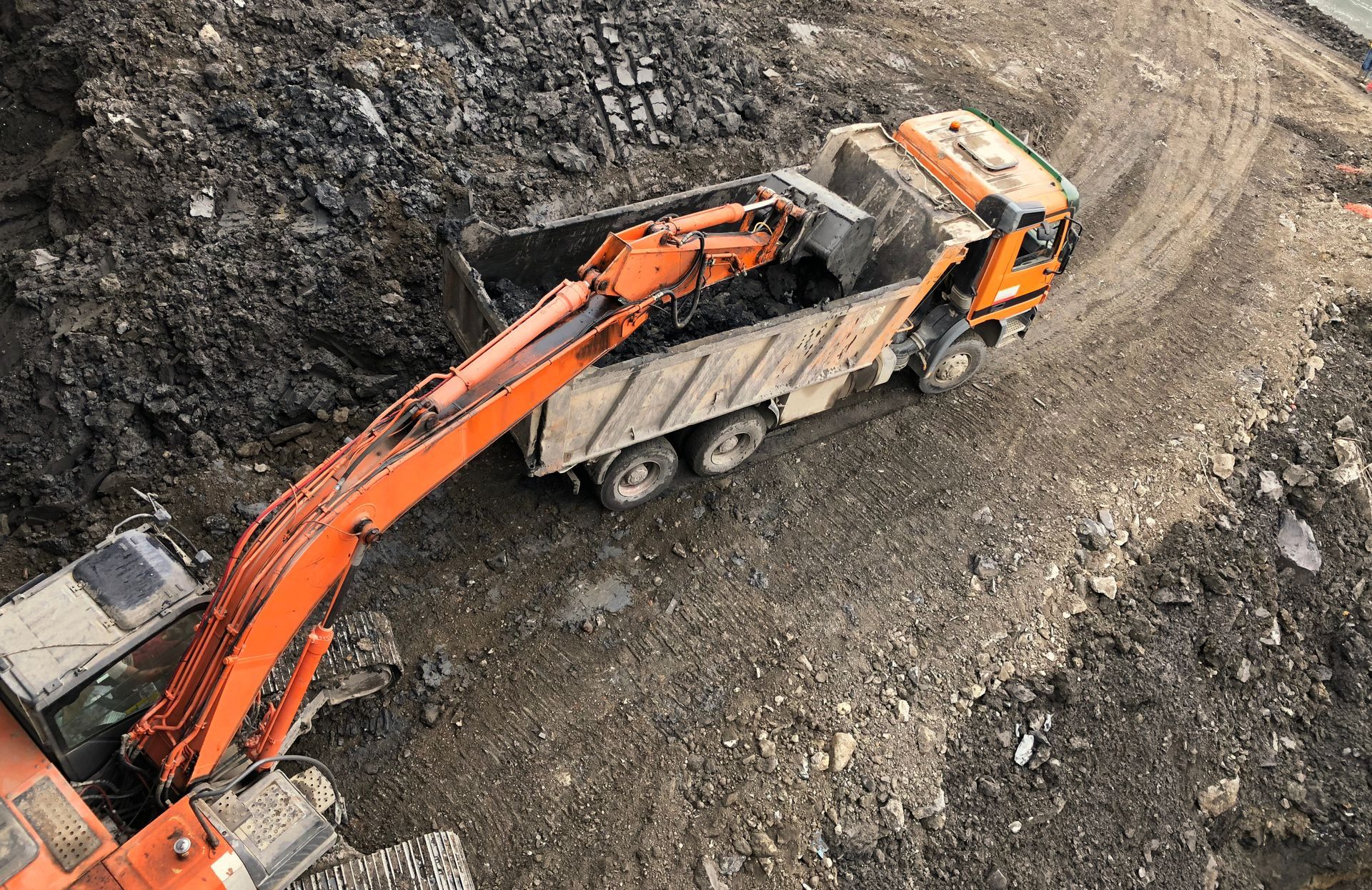
Excavation crews remove contaminated soil to approved depth and lateral extent. Real-time field screening (photoionization detector for petroleum, X-ray fluorescence for metals) guides excavation limits. Confirmation samples are collected every 500-1,000 square feet and analyzed by laboratory to verify cleanup achievement.
Underground storage tanks are removed following state protocols: pump remaining product, clean tank interior with high-pressure water or detergent, cut tank for inspection, collect closure soil samples from tank pit bottom and sidewalls, transport tank to scrap metal recycler or landfill.
Contaminated building materials (asbestos insulation, lead paint, PCB-containing equipment) are abated and removed following EPA protocols. All excavated materials are transported to permitted disposal facilities with full waste manifests documenting compliant management.
Deliverables: Daily excavation logs, field screening data sheets, confirmation sample laboratory results, waste manifests, disposal facility receipts, surveyed excavation limits.
Step 4: Treatment and Disposal
Contaminated soil is disposed at permitted landfills or treated on-site or off-site, depending on contaminant type and regulatory classification. Non-hazardous petroleum soil typically goes to Subtitle D landfills or soil recycling facilities. TCLP hazardous soil requires Subtitle C hazardous waste landfills. Heavy metal soil often undergoes solidification treatment before restricted landfill disposal.
Groundwater treatment systems are installed when contamination exceeds cleanup standards: pump-and-treat systems (extract contaminated water, treat through carbon or air stripping, discharge or reinject), air sparging/soil vapor extraction (inject air to volatilize contaminants, extract vapors through vacuum wells), or chemical oxidation (inject oxidants to destroy contaminants in place).
Hazardous materials undergo approved disposal at RCRA-permitted facilities with certificates of disposal provided for regulatory files.
Deliverables: Waste characterization profiles, disposal facility acceptance letters, weight tickets or manifests, certificates of disposal, treatment system installation reports and O&M plans if applicable.
Step 5: Confirmation Sampling and Validation
After contaminated material removal, confirmation samples are collected from excavation sidewalls (typically 4 per wall) and bottom (typically 1 per 500 square feet) to verify cleanup standards are met. Laboratory results are compared to state cleanup levels:
- Below cleanup standard: Document completion, proceed to closure
- Above cleanup standard: Additional excavation until compliance achieved
Final site conditions are documented with surveyed excavation maps, photographs, and analytical data tables demonstrating compliance. Independent third-party validation may be required by state agencies for high-risk sites or brownfield redevelopments.
Deliverables: Confirmation sample location maps, laboratory analytical results, statistical analysis demonstrating compliance with cleanup standards, surveyed final excavation limits, photographic documentation.
Step 6: Regulatory Closure and Documentation
Final remediation reports are prepared (typically 60-150 pages) documenting all work performed (assessment, excavation, treatment, monitoring), analytical results demonstrating cleanup standard achievement, deviations from the approved work plan and agency approvals received, remaining institutional controls or land use restrictions if applicable, and certification that site poses no unacceptable risk to human health or environment.
Reports are submitted to state environmental agencies for closure approval. Agencies issue No Further Action (NFA) letters or closure certificates (typically within 30-90 days of report submittal) confirming cleanup completion and releasing properties from regulatory oversight.
Complete documentation protects you from future liability and satisfies lender requirements for financing and property sale. NFA letters provide permanent evidence of regulatory closure.
Deliverables: Final remediation report, state agency NFA letter or closure certificate, recorded deed restrictions if applicable, complete project file with all correspondence, analytical results, and approvals.
Industries we Serve
Manufacturing
Chemical processing, automotive production, metal fabrication, electronics assembly.
Common contamination: Spent solvents, metal finishing sludge, degreasing agents, contaminated oils, PCB-containing equipment.
Energy & Utilities
Coal, natural gas, nuclear, solar facilities.
Common contamination: Transformer oil (PCBs), fly ash, bottom ash, scrubber sludge, mercury-containing devices, decommissioned solar panels.
Automotive Service
Dealerships, repair shops, fleet maintenance.
Common contamination: Used oil, antifreeze, brake fluid, batteries, oil filters, solvent-contaminated rags, paint booth waste.
Commercial Real Estate
Gas stations, dry cleaners, shopping centers, office buildings.
Common contamination: Underground storage tank releases, dry cleaning solvents, petroleum products, heating oil spills.
Food & Beverage
Production facilities, bottling plants, commercial kitchens.
Common contamination: Cleaning chemicals, refrigerants, ammonia solutions, contaminated wastewater, equipment degreasing waste.
Mining & Extraction
Ore extraction, metal recovery, aggregate production, oil and gas operations.
Common contamination: Acid mine drainage, tailings pond sludge, heavy metal solutions, petroleum waste.
SITE REMEDIATION CASE STUDY
South Carolina Abandoned Site Remediation
Challenge: Bank-foreclosed 2-acre property contained 1,000+ deteriorating containers with unknown chemicals, including ammonia, acids, flammables, and corrosives. EPA on-site supervision required. The site prevented property sale and created environmental liability.
Solution: Field testing and certified laboratory analysis characterized all waste. Materials repackaged into DOT-approved containers. Coordinated with EPA and state regulators throughout the process. Removed 1,100 yards of debris (55 truckloads) to disposal facility.
Results: Project completed in 30 days. Site certified clean by regulatory authorities. Property transferred from liability to asset on bank balance sheet. Full compliance maintained throughout project.
Emergency Remediation Services
Situations requiring immediate response include underground storage tank releases discovered during removal, pipeline or transfer line failures releasing petroleum or chemicals, spills exceeding reportable quantities requiring NRC notification, contamination discovered during property sale threatening transaction closure, and enforcement notices requiring immediate response to prevent penalties.
24/7 Emergency Hotline: 800-727-9796 for immediate environmental emergency response and regulatory coordination.
Why Work With U.S. Waste Industries
Service-Driven: Your Risk Manager and Regulatory Translator
We manage regulatory risk, translate complex environmental requirements into clear action plans, and serve as single point of accountability from discovery through closure. All regulatory interactions are managed including Phase I/II assessments following ASTM E1527-21 standards, remedial action plan development and approval, state environmental agency coordination, and No Further Action letter acquisition. 25+ years navigating EPA and state programs ensures efficient regulatory closure without delays or compliance issues. Zero EPA violations across thousands of projects.
Client-Focused: Single Vendor Accountability
Second-generation family-owned business with 30+ years in environmental services. One project manager coordinates all aspects: environmental consultants and laboratories, excavation and disposal contractors, treatment system installation and operation, documentation and reporting, and state agency coordination. This eliminates coordination burden of managing multiple contractors, prevents finger-pointing when problems arise, and ensures seamless project execution from assessment through closure. Real people answer phones 7 AM-5 PM weekdays—no automated systems.
Guaranteed Compliance: Complete Liability Protection Documentation
Every project includes comprehensive documentation protecting you from future liability: Phase I/II assessment reports, remedial action plans and state approvals, waste manifests and disposal certificates, confirmation sampling results, state closure letters (NFA), and deed restrictions and institutional controls if applicable. Complete files support property transactions, financing requirements, and defense against future claims. $21 million pollution liability insurance protects operations.
REQUEST A QUOTE FOR SITE REMEDIATION SERVICES
Whether you're planning property sale, redevelopment, or addressing regulatory violations, U.S. Waste Industries provides complete site remediation from Phase I assessment through regulatory closure.
What to include
Provide property address and size, known or suspected contamination type (petroleum, solvents, heavy metals), contamination discovery circumstances (Phase I, visible release, enforcement notice), intended property use (sale, redevelopment, continued operations), and any regulatory deadlines or pending transactions.
Site Remediation FAQs
How long does site remediation take?
Remediation timelines depend on contamination extent, regulatory complexity, and cleanup technology. Simple projects (single UST removal) complete in 2-4 weeks. Medium projects (contaminated soil excavation) require 2-6 months. Complex sites (groundwater treatment systems) may take 1-5 years, including monitoring periods. Regulatory approvals add 30-90 days to most projects.
Do I need a Phase I Environmental Assessment before buying property?
Yes. Lenders require Phase I assessments before financing commercial property purchases. More importantly, a Phase I conducted to meet EPA's All Appropriate Inquiries (AAI) requirements is a key step toward certain CERCLA liability protections, when completed properly and within required timing. Without a properly conducted Phase I, you may inherit full liability for all site contamination regardless of who caused it. Phase I assessments take 2-3 weeks to complete.
What happens if I ignore contamination on my property?
You face EPA or state enforcement actions including administrative orders requiring cleanup at your expense, civil penalties that can be substantial and accumulate over time, placement on state contaminated site registries preventing property sale, and potential civil enforcement and criminal liability in cases involving willful misconduct. Unknown contamination discovered during property sale can void transactions and trigger buyer lawsuits.
Can contaminated property be redeveloped?
Yes. State voluntary cleanup programs and EPA brownfield programs enable contaminated property redevelopment through risk-based cleanup standards matched to future use, institutional controls limiting property use if residual contamination remains, and liability protections for developers meeting program requirements. Successful brownfield redevelopments convert contaminated properties into productive commercial, residential, or industrial use.
What is a No Further Action letter?
A No Further Action (NFA) letter is state environmental agency confirmation that site remediation is complete and meets cleanup standards. NFA letters release properties from regulatory oversight, satisfy lender requirements for financing, and provide liability protection against future contamination claims. They are essential for property sales and redevelopment.
What remediation technology is best for my site?
Technology selection depends on contaminant type, concentration, depth, and site conditions. Petroleum contamination often uses excavation or bioremediation. Chlorinated solvents respond to chemical oxidation or soil vapor extraction. Heavy metals require solidification or excavation. Groundwater contamination may need pump-and-treat or monitored natural attenuation. The most cost-effective approach is identified through remedial investigation during project planning.
How do state voluntary cleanup programs work?
Voluntary cleanup programs (VCPs) allow property owners or developers to remediate contaminated properties under state oversight with liability protections upon completion. Benefits include negotiated cleanup standards based on future use, streamlined regulatory approval processes, and protection from EPA enforcement. VCP participation requires application, remedial investigation, approved work plan, remediation implementation, and final closure approval.
How much does site remediation cost?
Remediation costs vary widely based on several factors.
Contamination extent and depth significantly impact costs—shallow, localized contamination costs far less than deep, widespread plumes requiring groundwater treatment.
Contaminant type affects disposal costs, with hazardous materials requiring specialized facilities and RCRA-permitted disposal.
Cleanup technology selection influences both upfront and long-term costs—excavation provides rapid closure but higher disposal fees, while in-situ treatment reduces disposal but extends monitoring periods.
Regulatory complexity adds costs through required approvals, oversight fees, and compliance documentation.
Site access and conditions affect mobilization costs—urban sites with limited access or active operations cost more than open, inactive properties.
Assessment costs (Phase I and Phase II investigations) are necessary first steps to define contamination extent before developing remediation budgets.
Some states offer petroleum cleanup funds that may reimburse eligible costs for underground storage tank releases, subject to program rules, deductibles, and caps.
Detailed cost estimates are provided after Phase II investigation defines contamination extent.
Related Services TO SITE REMEDIATION
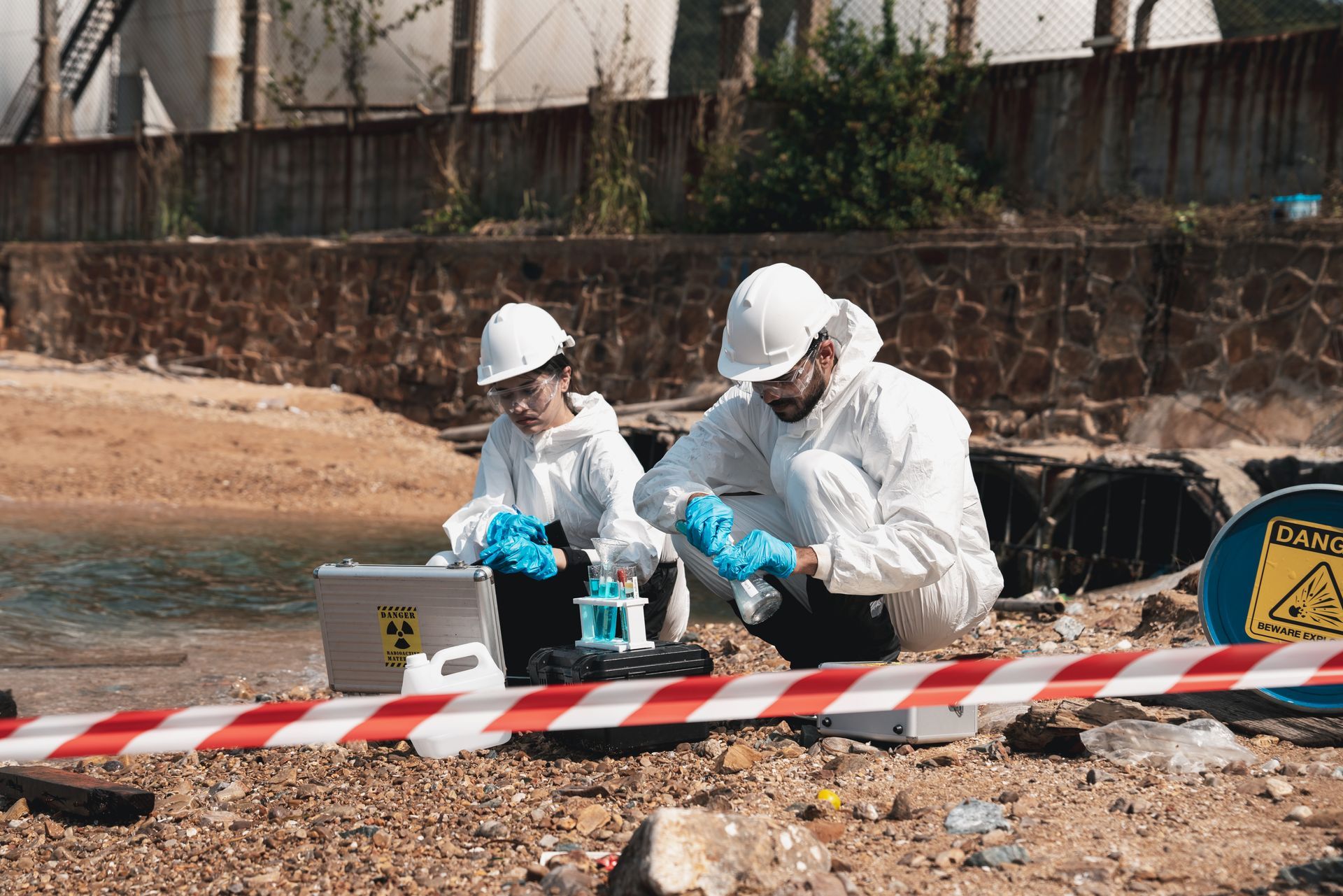
Hazardous Waste Disposal
Site remediation generates hazardous waste, including contaminated soil, asbestos materials, lead paint debris, and PCB-containing equipment.
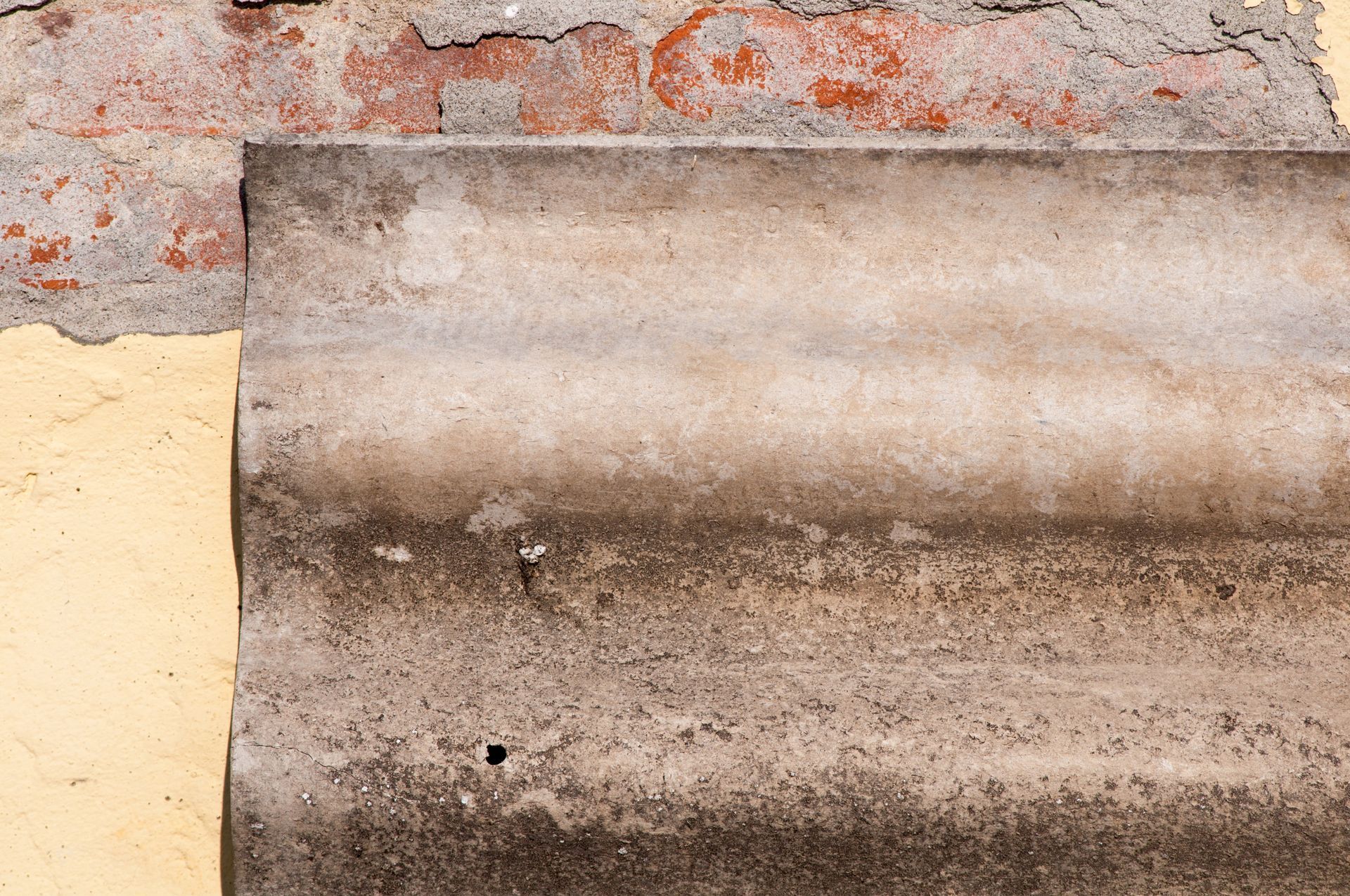
Asbestos Removal Services
Contaminated buildings often contain asbestos insulation, floor tiles, and fireproofing requiring licensed abatement before demolition.
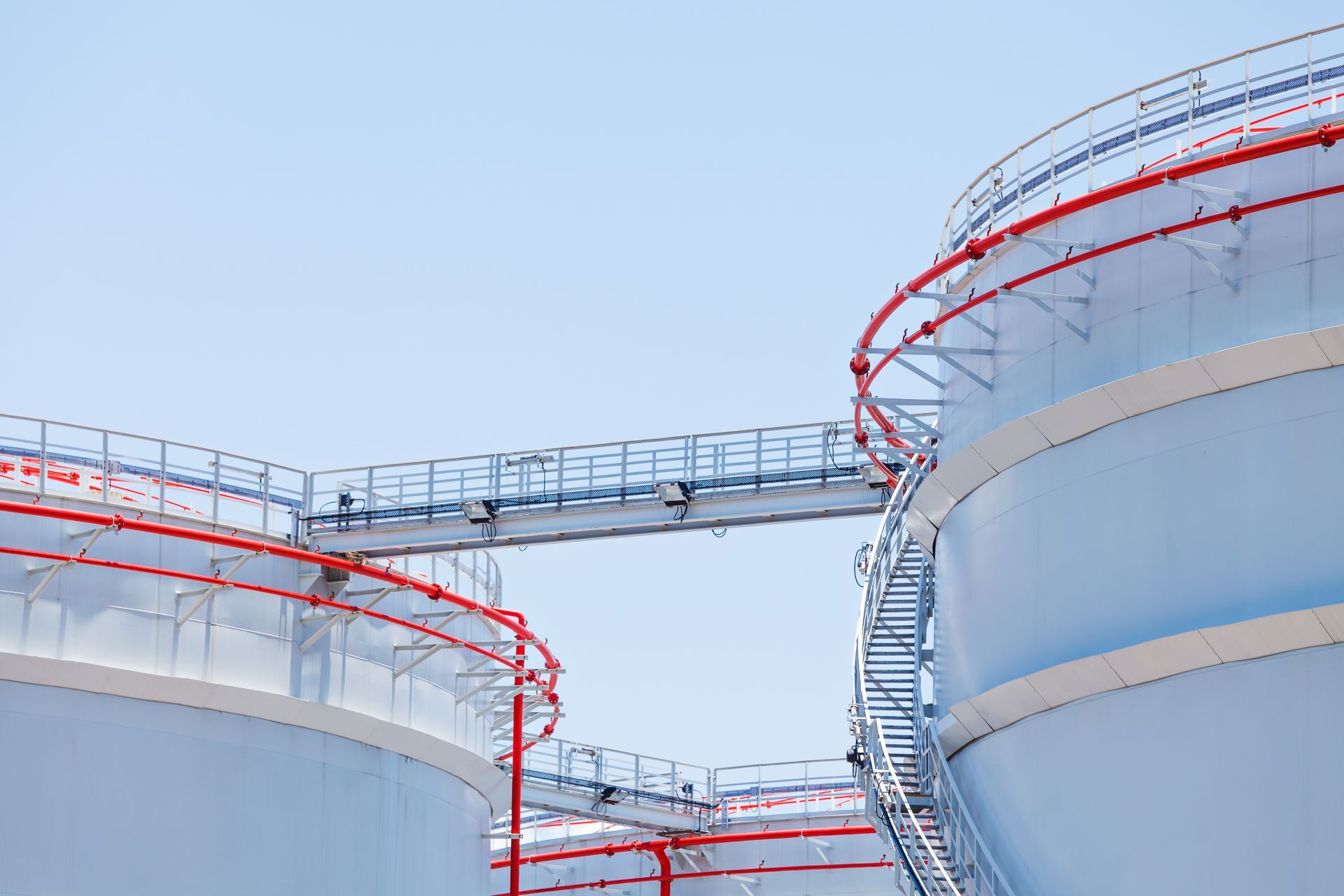
Tank Cleaning & Removal
Underground storage tank removal is a common remediation component requiring tank cleaning, closure sampling, and disposal.
Hazardous Waste Disposal
Site remediation generates hazardous waste, including contaminated soil, asbestos materials, lead paint debris, and PCB-containing equipment.
Asbestos Removal Services
Contaminated buildings often contain asbestos insulation, floor tiles, and fireproofing requiring licensed abatement before demolition.