NATIONWIDE SERVICES
HAZARDOUS WASTE DISPOSAL
Industrial Hazardous Waste Management with Full EPA Compliance Support
Call 800-669-9552
U.S. Waste Industries, Inc.
COMPLETE HAZARDOUS WASTE DISPOSAL WITH INSPECTION-READY DOCUMENTATION AND FULL RCRA COMPLIANCE SUPPORT
Hazardous waste disposal manages the identification, packaging, transportation, and compliant destruction of toxic, corrosive, reactive, and ignitable materials. Our team handles everything from waste characterization through final disposal—delivering complete manifests, additional Certificates of Disposal, and EPA documentation that keeps your facility audit-ready and compliant.
Learn About Hazardous Waste Disposal And Management
NATIONWIDE SERVICE • REAL PEOPLE 24/7 EMERGENCY RESPONSE • 25+ YEARS • ZERO VIOLATIONS • OSHA HAZWOPER-TRAINED • DOT APPROVED • $21M INSURED
What Is Hazardous Waste Disposal?
Hazardous waste disposal is the EPA-regulated process of safely managing materials that pose risks to human health or the environment due to their chemical properties. Under RCRA (Resource Conservation and Recovery Act), hazardous waste is a regulated solid waste that is either listed (F-list, K-list, P-list, U-list) or exhibits a characteristic (ignitable, corrosive, reactive, or toxic).
The disposal process includes waste identification, EPA hazard code assignment, DOT-compliant packaging, manifest preparation, transportation to RCRA-permitted (or interim status) Treatment, Storage, and Disposal Facilities (TSDFs), and final treatment through incineration, neutralization, stabilization, or secure landfill placement.
Proper disposal prevents soil and groundwater contamination, protects workers from chemical exposure, and ensures facilities maintain compliance with regulations that carry penalties exceeding tens of thousands of dollars per day per violation (inflation-adjusted annually).

Why Facilities Need Hazardous Waste Disposal
Industrial facilities generate hazardous waste as a byproduct of manufacturing, chemical processing, equipment maintenance, and laboratory operations. Without compliant disposal, these materials create serious risks:
Regulatory Compliance Requirements:
EPA and state agencies require detailed tracking from generation through disposal. Facilities retain cradle-to-grave liability under RCRA, meaning proper determination, labeling, storage, and manifest documentation are critical. Missing manifests, incorrect waste codes, or improper on-site management trigger enforcement actions, fines, and potential facility shutdowns.
Environmental Liability:
Hazardous waste that leaches into soil or groundwater creates long-term cleanup obligations under CERCLA (Superfund). Generators remain liable even after waste leaves their property if disposal was improper.
Worker Safety: Exposure to corrosive acids, toxic solvents, reactive chemicals, or heavy metals causes injuries, illnesses, and OSHA violations. Proper disposal protects your workforce and reduces insurance claims.
Operational Disruptions:
Accumulated hazardous waste consumes storage space, blocks production areas, and creates fire or explosion risks. Regular disposal maintains operational flow and safety.
Compliance Deadlines:
Large Quantity Generators (LQGs) must submit Biennial Hazardous Waste Reports by March 1 of each even-numbered year, covering the previous odd-numbered year. Facilities that manufacture or import PFAS may have TSCA Section 8(a)(7) reporting requirements with most submissions due by October 13, 2026 (small businesses importing PFAS in articles: April 13, 2027). Missing deadlines triggers enforcement.
Facilities need reliable disposal partners who provide complete documentation, understand changing regulations, and respond quickly when storage limits are reached or emergencies occur.
Types of Hazardous Waste We Handle
U.S. Waste Industries manages all EPA-defined hazardous waste categories across industrial, commercial, and institutional facilities:
Corrosive Materials Acids (sulfuric, hydrochloric, nitric), alkaline solutions, battery acid, cleaning agents, metal finishing baths. pH below 2 or above 12.5. Causes tissue damage and corrodes metal containers.
Toxic Substances Heavy metals (lead, mercury, cadmium, chromium, arsenic), pesticides, herbicides, PCBs (polychlorinated biphenyls), cyanides, certain solvents. Fail TCLP testing, causing groundwater contamination.
Ignitable Waste Solvents (acetone, methanol, xylene), paint thinners, degreasers, petroleum products, alcohols, aerosol cans. Flash point below 140°F. Fire and explosion hazards during storage or transport.
Reactive Waste Oxidizers, peroxides, compressed gases, cyanide or sulfide-bearing waste, water-reactive chemicals. Unstable materials that explode, produce toxic gases, or react violently when mixed.
PFAS-Contaminated Materials Certain PFAS (notably PFOA/PFOS and their salts/isomers) are CERCLA hazardous substances with a 1-pound reportable quantity. Materials include aqueous film-forming foam (AFFF), contaminated soil, landfill leachate, and wastewater treatment sludge.
Asbestos-Containing Materials Friable and non-friable asbestos from insulation, floor tiles, roofing, pipe wrap, fireproofing. Requires NESHAP-compliant handling and specialized landfill disposal.
Universal Waste Federal categories include batteries (lithium-ion, lead-acid, nickel-cadmium), fluorescent bulbs, mercury devices, and pesticides. Some states have expanded Universal Waste programs to include additional items like e-waste and solar panels—check your state requirements. Simplified regulations but still require proper management.
Biological and Medical Waste Medical waste is primarily regulated at the state level. Most states require treatment (incineration, autoclaving, or alternative methods) before disposal. Medical waste is only RCRA hazardous waste when it is listed or exhibits a characteristic (such as toxic chemotherapy waste). We coordinate compliant treatment and disposal per your state's medical waste regulations.
Lab Packs Mixed small-quantity chemicals from laboratories, research facilities, schools. Requires segregation by compatibility and DOT packaging.
Unknown or Unidentified Chemicals Unlabeled containers, deteriorated materials, legacy chemicals from facility acquisitions. Field testing and laboratory analysis determines proper classification.
We handle one-time cleanouts, recurring pickups, emergency removals, and facility closure projects. All waste is profiled, manifested, and tracked through final disposal with complete documentation.
Hazardous Waste Disposal Methods
U.S. Waste coordinates disposal through RCRA-permitted (or interim status) Treatment, Storage, and Disposal Facilities (TSDFs) and other authorized facilities using methods matched to waste characteristics:
Incineration High-temperature combustion destroys organic hazardous compounds including solvents, pesticides, and pharmaceutical waste. Regulated under RCRA Subpart O and Clean Air Act MACT standards. Residual ash disposed in hazardous waste landfills.
Fuel Blending Energy recovery from combustible waste (solvents, oils, paint waste) by blending with fuel used in cement kilns or industrial boilers. Requires waste profiling and BTU analysis. Reduces landfill disposal while generating energy.
Deep Well Injection Liquid hazardous waste injected into deep underground formations isolated from drinking water aquifers. Used for brines, chemical process waste, and non-reactive liquids. Requires Class I injection well permits.
Chemical Treatment Neutralization of acids and bases, precipitation of heavy metals, oxidation/reduction reactions, stabilization of reactive waste. Converts hazardous materials into less toxic or non-hazardous forms before landfill disposal.
Solidification and Stabilization Mixing liquid or sludge waste with binding agents (cement, polymers, clays) to create solid mass. Prevents leaching of contaminants. Used for heavy metal sludge, contaminated soil, tank bottom waste.
TSCA-Approved PCB Facilities Specialized facilities authorized for PCB destruction under 40 CFR Part 761. Required for waste containing ≥50 ppm PCBs. PFAS disposal follows state-specific requirements and specialty treatment options with limited capacity.
Hazardous Waste Landfills Secure disposal cells with double liners, leachate collection, and groundwater monitoring. Used for treated waste, asbestos, solidified sludge, contaminated debris. Requires RCRA Subtitle C permit.
Recycling and Resource Recovery Metal recovery from spent catalysts, solvent reclamation, oil re-refining, battery recycling. Reduces disposal costs and supports circular economy goals.
All disposal facilities are verified for current permits, insurance, and compliance status. We provide complete manifest tracking and additional Certificates of Disposal documenting final treatment.

Beyond Boundaries
Our Hazardous Waste Disposal Process
U.S. Waste manages the complete disposal lifecycle with full regulatory compliance support:
Step 1: Waste Identification and Characterization
Our team evaluates your waste streams through visual inspection, process knowledge review, and Safety Data Sheet analysis. We determine applicable EPA hazardous waste codes (e.g., D001, F003), assign proper shipping names, and identify any state-specific requirements. Generator knowledge is documented per 40 CFR 262.11.
Step 2: Waste Profiling and Testing
Materials requiring laboratory analysis are sampled for TCLP (Toxicity Characteristic Leaching Procedure), ignitability, corrosivity, reactivity, or other parameters. We coordinate testing with certified labs and obtain TSDF approval before scheduling pickup.
Step 3: Packaging and Labeling
Waste is packaged in DOT-approved containers (drums, lab packs, bulk tanks, super sacks) meeting 49 CFR 173 requirements. Each container receives compliant hazard labels, EPA waste codes, accumulation start dates, and facility identification.
Step 4: Manifest Preparation
We prepare EPA Uniform Hazardous Waste Manifests (EPA Form 8700-22) or electronic e-Manifests documenting waste description, quantity, generator information, transporter details, and destination TSDF. The EPA e-Manifest system has been in effect since June 30, 2018. Generators may use electronic or paper manifests; however, LQGs and SQGs must be registered in the e-Manifest system to access final signed copies, as receiving facilities are no longer required to mail paper manifests.
Step 5: DOT-Compliant Transportation
Waste is transported by licensed hazmat carriers following 49 CFR routing, placarding, and shipping paper requirements. Our logistics network ensures safe, efficient movement to authorized facilities nationwide.
Step 6: Treatment and Disposal
TSDFs receive the waste, verify manifest accuracy, and perform final treatment (incineration, neutralization, stabilization, or landfill disposal). When Land Disposal Restrictions apply, the generator prepares the required LDR notice and/or certification and submits it with the initial shipment to the receiving TSDF, in accordance with 40 CFR Part 268.
Step 7: Documentation and Recordkeeping
You receive signed manifests confirming TSDF receipt, additional Certificates of Disposal documenting final treatment, and waste tracking reports for compliance audits. Records should be retained for at least 3 years (5 years recommended, or longer if required by state or if enforcement is ongoing).
All services include 24/7 emergency support, spill response capability, and regulatory guidance for changing EPA requirements.
Industries We Serve & Their Waste Streams
Manufacturing
Chemical processing, automotive production, metal fabrication, electronics assembly. Waste streams: spent solvents, metal finishing sludge, paint waste, degreasing agents, contaminated oils, PCB-containing equipment.
Pharmaceuticals and Life Sciences
Drug manufacturing, research labs, biotech facilities, clinical operations. Waste streams: expired APIs, lab packs, biological waste, chemotherapy agents, solvent waste, cleaning validation residues.
Utilities and Power Generation
Coal, natural gas, nuclear, solar, biomass facilities. Waste streams: transformer oil (PCBs), fly ash, bottom ash, scrubber sludge, mercury-containing devices, decommissioned solar panels.
Aerospace and Defense
Aircraft maintenance, weapons systems, military installations. Waste streams: hydraulic fluids, jet fuel, paint strippers, solvents, ammunition waste, contaminated PPE, explosive materials.
Pulp and Paper Mills
Paper production, tissue manufacturing, packaging operations. Waste streams: black liquor, lime mud, caustic solutions, bleaching chemicals, wastewater treatment sludge, boiler ash.
Metal Finishing and Plating
Electroplating, anodizing, powder coating, galvanizing. Waste streams: chromium sludge, cyanide solutions, acid baths, alkaline cleaners, heavy metal-bearing wastewater.
Automotive Service and Repair
Dealerships, repair shops, fleet maintenance. Waste streams: used oil, antifreeze, brake fluid, batteries, oil filters, solvent-contaminated rags, paint booth waste.
Construction and Demolition
Building renovation, facility decommissioning, infrastructure projects. Waste streams: asbestos-containing materials, lead paint debris, contaminated soil, mercury switches, PCB ballasts.
Food and Beverage Processing
Production facilities, bottling plants, commercial kitchens. Waste streams: cleaning chemicals, refrigerants, ammonia solutions, contaminated wastewater, equipment degreasing waste.
Universities and Research Institutions
Teaching labs, research facilities, medical schools. Waste streams: chemical lab packs, biological waste, mercury compounds, radioactive materials, expired reagents.
Petrochemical and Refining
Oil refineries, chemical plants, pipeline operations. Waste streams: tank bottom sludge, spent catalysts, process residues, oily water, contaminated soil, benzene-containing waste.
Mining and Mineral Processing
Ore extraction, metal recovery, aggregate production. Waste streams: acid mine drainage, tailings pond sludge, heavy metal solutions, cyanide heap leach waste.
Each industry faces unique regulatory requirements. Our team provides compliance guidance specific to your operations, waste streams, and applicable EPA, OSHA, and DOT standards.
Compliance Requirements For Hazardous Waste
Hazardous waste generators must comply with federal EPA regulations, state environmental agency rules, and DOT transportation requirements:
EPA Identification Number
All hazardous waste generators must obtain an EPA ID number before transporting waste off-site. Application submitted through the state environmental agency or the EPA Regional Office. Required for manifest preparation and TSDF acceptance.
Generator Status Determination
Facilities are classified as Very Small Quantity Generator (VSQG), Small Quantity Generator (SQG), or Large Quantity Generator (LQG) based on monthly waste volumes. Status determines storage time limits, manifest requirements, and reporting obligations.
Waste Accumulation Time Limits
LQGs: 90 days maximum on-site storage
SQGs: 180 days (or 270 days if TSDF is >200 miles away)
VSQGs: No time limit, but quantity limits apply
Exceeding time limits requires an RCRA storage permit and triggers enforcement.
Manifest Requirements
EPA Form 8700-22 (Uniform Hazardous Waste Manifest) tracks waste from the generator through the transporter to the TSDF. The e-Manifest system has been in effect since June 30, 2018. As of January 22, 2025, LQGs and SQGs can no longer receive paper copies by mail—they must access final signed manifests through the e-Manifest system. Registration is required. Generators must retain signed manifests for at least 3 years (5 years recommended).
Biennial Hazardous Waste Reports
LQGs must submit detailed waste generation reports by March 1 of even-numbered years covering the previous odd-numbered year. Reported via EPA's RCRAInfo system. Late submission triggers penalties.
Land Disposal Restrictions (LDR)
Hazardous waste cannot be landfilled without meeting treatment standards under 40 CFR 268. Most waste requires incineration, stabilization, or other treatment before final disposal. LDR notices and certifications must be provided to the receiving TSDF as required.
DOT Hazardous Materials Regulations (49 CFR)
Transportation requires proper shipping names, hazard classes, packaging groups, labels, placards, and shipping papers. Personnel must complete DOT hazmat training every 3 years.
TSCA PCB Regulations
Materials containing ≥50 ppm PCBs require specialized disposal at TSCA-approved facilities under 40 CFR Part 761. Annual reports are required for PCB disposal activities. Subject to different manifest and recordkeeping requirements than RCRA waste.
PFAS Reporting Requirements
CERCLA: Certain PFAS (notably PFOA/PFOS and their salts/isomers) are CERCLA hazardous substances with a reportable quantity of 1 pound released in 24 hours. Reporting to the National Response Center is required for releases meeting the RQ (effective July 8, 2024).
TSCA Section 8(a)(7): Facilities that manufacture or import PFAS (including in articles) may have reporting requirements with most submissions due by October 13, 2026 (small businesses importing PFAS in articles: April 13, 2027).
OSHA Training Requirements
Workers handling hazardous waste must complete HAZWOPER training (29 CFR 1910.120):
- 40-hour initial training for site workers
- 8-hour annual refresher
- Site-specific training for facility operations
State-Specific Requirements
Many states impose regulations beyond federal EPA rules, including additional waste codes, shorter accumulation periods, facility-specific permits, and annual fee requirements. State environmental agencies conduct inspections and enforcement.
U.S. Waste Industries provides complete documentation supporting compliance: approved waste profiles, signed manifests, additional Certificates of Disposal, training records coordination, and regulatory updates on changing EPA requirements.
HAZARDOUS WASTE Case Studies
Abandoned Site Remediation – South Carolina
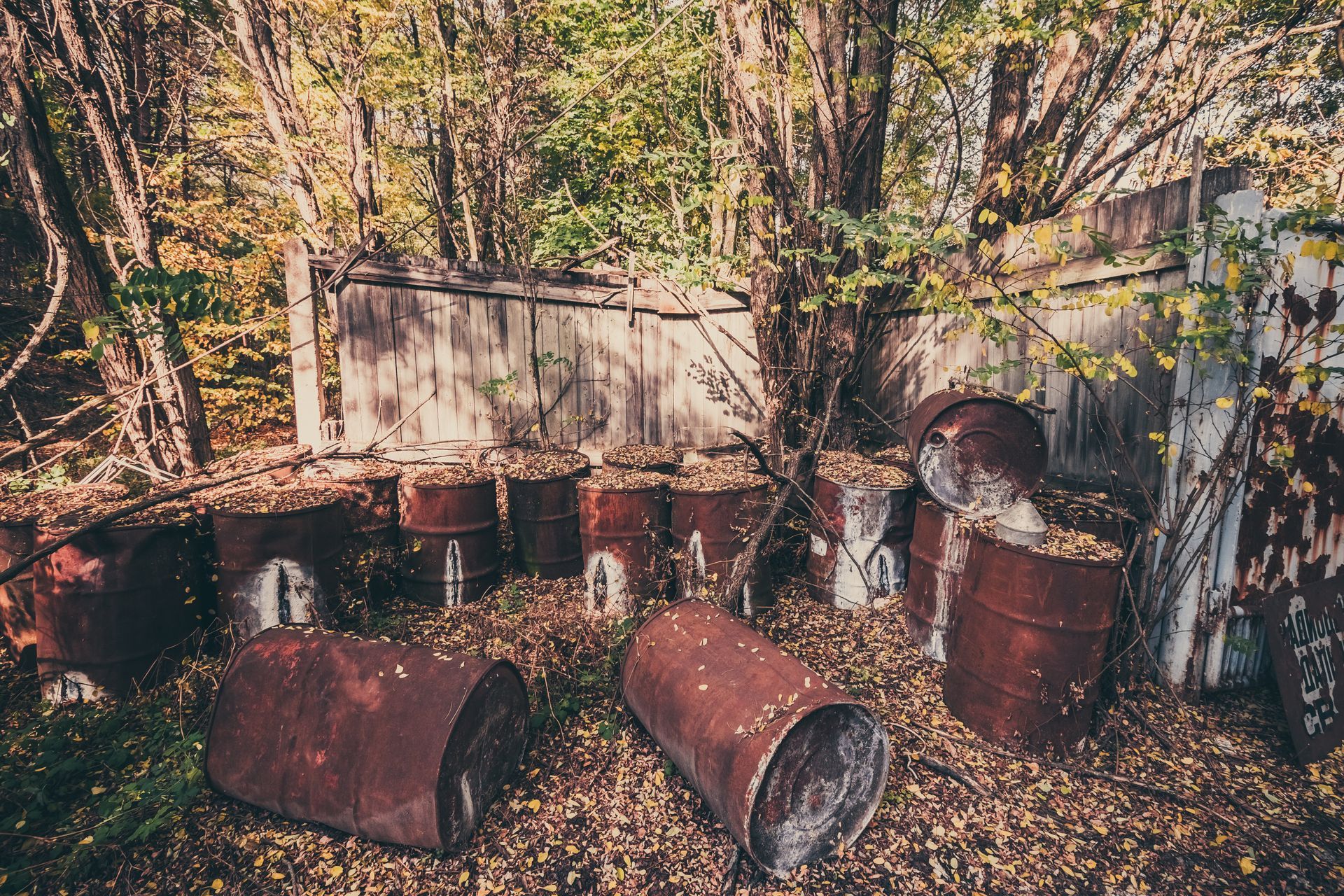
Challenge: Bank-foreclosed 2-acre property contained 1,000+ deteriorating containers with unknown chemicals, including ammonia, acids, flammables, and corrosives. EPA on-site supervision required. The site prevented the property sale and created environmental liability.
Solution: Field testing and certified laboratory analysis characterized all waste. Materials repackaged into DOT-approved containers. Coordinated with EPA and state regulators throughout the process. Removed 1,100 yards of debris (55 truckloads) to the disposal facility.
Results: Project completed in 30 days. Site certified clean by regulatory authorities. Property transferred from liability to asset on the bank balance sheet. Full compliance was maintained throughout the project.
Emergency Spill Response – I-95 Highway, South Carolina
Challenge: A tractor-trailer rollover at 6 PM released 300 gallons of diesel fuel and 50 gallons of oil into an environmentally sensitive creek. Required immediate containment and highway clearance.
Solution: Five-person emergency crew dispatched with specialized equipment (petroleum absorbent pads, excavators, containment booms). Fuel and oil were recovered from the creek and the surrounding landscape. Contaminated materials are placed in specialized containers. Coordinated with law enforcement and environmental officials.
Results: Crew on-site within hours. Cleanup completed by 9 AM the next morning (15-hour response). Creek and highway fully restored. All waste is properly manifested and transported to a permitted facility. No secondary contamination.
Emergency Hazardous Waste Services
Industrial facilities face hazardous waste emergencies requiring immediate response: chemical spills, container failures, transportation accidents, equipment leaks, fire damage, or discovery of unknown materials.
U.S. Waste Industries provides 24/7 emergency hazardous waste services nationwide:
Immediate Dispatch:
Crews mobilize within hours with specialized equipment—vacuum trucks, absorbent materials, containment booms, pumps, and DOT-approved containers.
Spill Containment and Recovery:
Rapid deployment prevents contamination spread. Materials recovered using vacuum extraction, absorbent pads, or manual collection depending on waste characteristics.
CERCLA Reporting Support:
Releases of certain PFAS (PFOA/PFOS and their salts/isomers) or other CERCLA hazardous substances meeting Reportable Quantities require National Response Center notification. We assist with proper reporting and documentation under CERCLA Section 103 (PFOA/PFOS effective July 8, 2024).
On-Site Assessment:
HAZWOPER-trained technicians evaluate incident scope, identify materials involved, determine hazard levels, and develop safe cleanup approach.
Waste Characterization:
Unknown materials are tested through field screening (pH, oxidizer detection, flammability) and laboratory analysis when needed for proper classification.
Regulatory Coordination:
Direct communication with EPA, state environmental agencies, fire departments, and local authorities throughout emergency response.
Complete Documentation:
Chain-of-custody tracking, manifests, additional disposal certificates, incident reports, and photographic documentation for insurance claims and regulatory compliance.
Post-Incident Support:
Contaminated soil removal, equipment decontamination, follow-up monitoring, and long-term remediation planning if needed.
Emergency services include chemical spills, petroleum releases, drum failures, tank leaks, transportation accidents, facility fires involving hazardous materials, and discovery of abandoned waste.
Available 24/7/365. Call 800-727-9796 for immediate emergency dispatch.
Why Work With U.S. Waste Industries
Service-Driven: Full-Service Expertise
HAZWOPER-trained field personnel managing all aspects of hazardous waste disposal from identification through final treatment. Direct relationships with RCRA-permitted TSDFs nationwide providing access to incineration, fuel blending, deep well injection, stabilization, and specialty treatment. DOT-licensed hazmat carriers following 49 CFR requirements for packaging, labeling, placarding, and shipping. Active monitoring of EPA rule changes including PFAS regulations, Universal Waste expansions, and e-Manifest updates.
Client-Focused: Direct Access and Fast Response
Family-owned business with 25+ years in environmental services. Real people answer phones 7 AM–5 PM weekdays—no automated systems. 24/7 emergency hotline: 800-727-9796 with crews dispatching within hours for spills, accidents, or urgent waste removal. Single vendor managing identification, testing, packaging, transportation, and disposal—eliminates coordination across multiple contractors.
Guaranteed Compliance: Inspection-Ready Documentation
Every job includes signed EPA manifests, Certificates of Disposal, waste profile approvals, and regulatory compliance records. Files stay audit-ready for EPA inspections, Biennial Reports, and insurance requirements. Guidance provided for TSCA filings, generator status determination, and regulatory reporting. $21 million pollution and liability insurance coverage protects your facility.
REQUEST A QUOTE FOR INDUSTRIAL RECYCLING SERVICES
If your facility generates hazardous waste requiring compliant disposal, approaches EPA storage time limits, faces upcoming Biennial Report deadlines, or needs emergency spill response, request a quote for immediate assessment and pricing.
What to include
Provide waste type and EPA codes (corrosive, toxic, ignitable, reactive), estimated quantities (drums, gallons, tons), current storage location and duration, Safety Data Sheets or laboratory analysis if available, generator status (LQG, SQG, VSQG), and any compliance deadlines, permit issues, or recent inspections. Photos of waste containers and storage areas help us provide accurate project scope and timeline.
Hazardous Waste FAQs
What qualifies as hazardous waste under EPA regulations?
Under RCRA, hazardous waste is a regulated solid waste that is either listed (F-list, K-list, P-list, U-list from specific industrial processes or discarded commercial products) or exhibits a characteristic: ignitability (flash point <140°F), corrosivity (pH <2 or >12.5), reactivity (unstable, explosive), or toxicity (fails TCLP testing for heavy metals or toxic compounds). Regulated under 40 CFR Parts 260-279.
How long can hazardous waste be stored on-site?
Large Quantity Generators: 90 days. Small Quantity Generators: 180 days (270 days if TSDF is over 200 miles away). Very Small Quantity Generators: no time limit but quantity limits apply (<1,000 kg/month). Exceeding limits requires RCRA storage permit. Containers must be dated, labeled, and stored in compliant accumulation areas.
What is the Biennial Hazardous Waste Report and who must file?
Large Quantity Generators (LQGs) must submit Biennial Reports by March 1 of even-numbered years covering the previous odd-numbered year's waste generation activities. Reported through EPA's RCRAInfo system. Includes waste types, quantities, management methods, and TSDF destinations. Required under 40 CFR 262.41. Late or missing reports trigger enforcement.
Do I need an EPA ID number for hazardous waste disposal?
Yes. All generators transporting hazardous waste off-site must obtain an EPA Identification Number before shipping waste. Applied through state environmental agency or EPA Regional Office. Required for manifest preparation, TSDF acceptance, and compliance tracking. Free to obtain but processing takes 4-6 weeks.
What is e-Manifest and is it required?
The EPA's electronic manifest system (e-Manifest) has been in effect since June 30, 2018. Generators can create manifests electronically or submit paper manifests. As of January 22, 2025, LQGs and SQGs can no longer receive paper copies by mail—they must access final signed manifests through the e-Manifest system. Registration is required. Electronic submission is encouraged for faster processing and lower fees.
How are hazardous waste disposal costs determined?
Pricing depends on waste type and hazard classification, disposal method required (incineration, landfill, treatment), waste quantity and packaging, transportation distance to TSDF, waste profiling and testing needs, and state-specific fees or surcharges. Mixed waste (hazardous + radioactive) or certain regulated materials (PCBs, PFAS) cost more due to limited disposal options.
What happens if hazardous waste is disposed improperly?
Generators retain cradle-to-grave liability under RCRA and CERCLA (Superfund) even after waste leaves their facility. Improper disposal triggers EPA enforcement: penalties exceeding tens of thousands of dollars per day per violation (inflation-adjusted annually), facility shutdown orders, criminal charges for knowing violations, Superfund cleanup liability if TSDF contaminates site, and third-party lawsuits for environmental damage.
Can hazardous waste be recycled instead of disposed?
Yes. Many hazardous materials can be recycled: solvents reclaimed through distillation, waste oil re-refined, metals recovered from sludge or spent catalysts, and used as fuel blending in cement kilns or industrial boilers. Recycling reduces disposal costs and supports sustainability goals but still requires manifest tracking and RCRA compliance.
What is PFAS and how does it affect hazardous waste disposal?
PFAS (per- and polyfluoroalkyl substances) are persistent chemicals. Certain PFAS (notably PFOA/PFOS and their salts/isomers) are CERCLA hazardous substances with a 1-pound reportable quantity for releases in 24 hours (effective July 8, 2024). Reporting to the National Response Center is required for releases meeting the RQ. Facilities that manufacture or import PFAS may have TSCA Section 8(a)(7) reporting requirements with most submissions due by October 13, 2026. Disposal follows state-specific requirements and specialty treatment options.
Do you provide emergency hazardous waste response?
Yes. 24/7 emergency dispatch available at 800-727-9796. Crews mobilize within hours for spills, container failures, transportation accidents, or unknown material discovery. Services include containment, recovery, waste characterization, CERCLA reporting support, and complete cleanup documentation.
Related Services to Hazardous Waste Removal
Non-Hazardous Waste Disposal
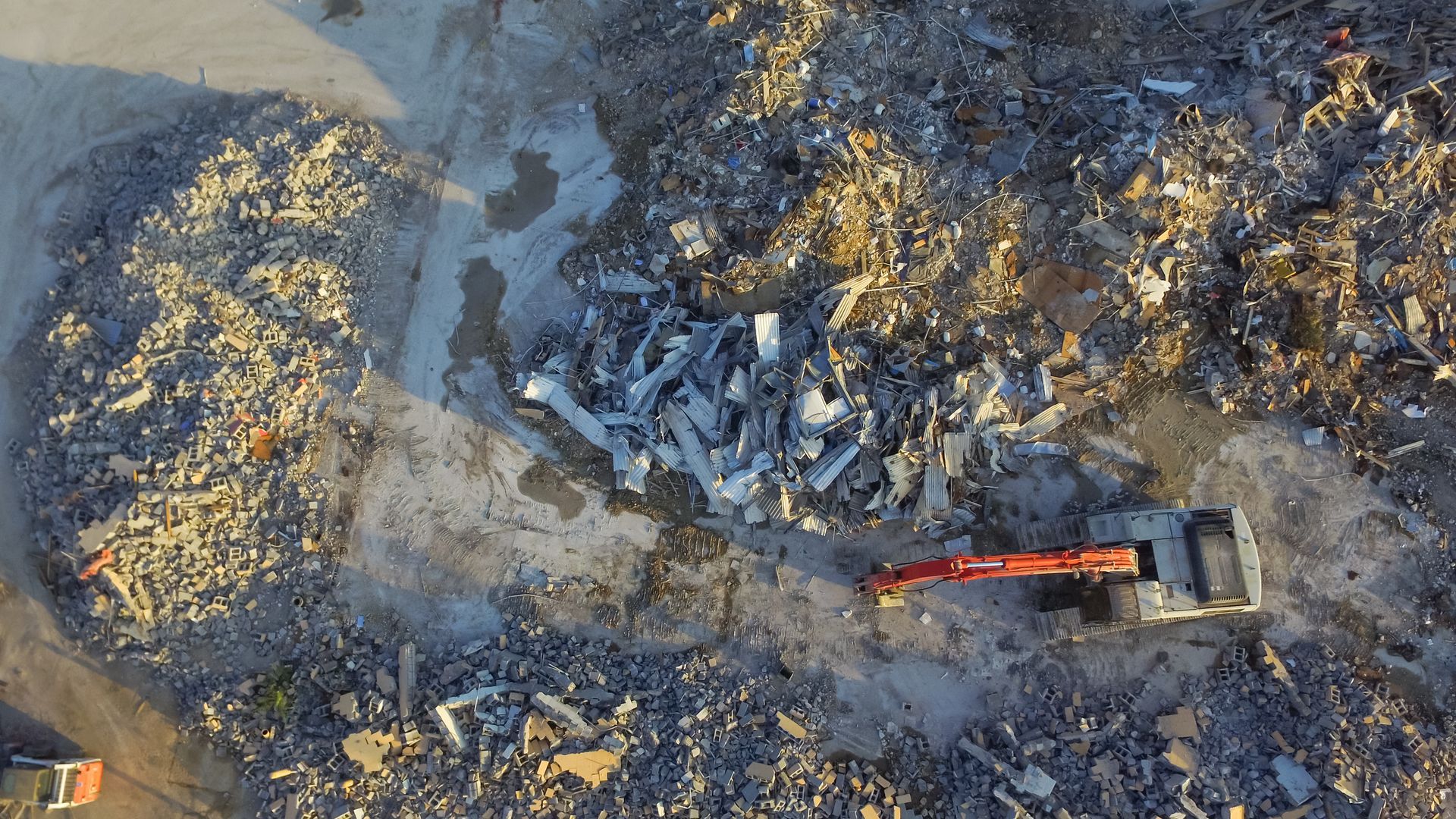
Industrial byproducts, construction debris, and solid waste management