NATIONWIDE SERVICES
Incineration Disposal Services
EPA-Compliant Thermal Destruction with Energy Recovery and Volume Reduction
Call 800-669-9552
U.S. Waste Industries, Inc.
High-Temperature Waste Destruction Meeting EPA MACT Standards
Access to permitted incineration facilities for hazardous and non-hazardous waste requiring thermal destruction—often achieving major volume reduction, destroying toxic compounds, and converting organics to ash and residuals that are managed per testing and disposal requirements with complete certificates of destruction.
Learn About Incineration Disposal
NATIONWIDE SERVICE • REAL PEOPLE 24/7 EMERGENCY RESPONSE • 25+ YEARS • ZERO VIOLATIONS • OSHA HAZWOPER-TRAINED • DOT APPROVED • $21M INSURED
What Is Incineration Disposal?
Incineration disposal uses high-temperature combustion (typically operated at high temperatures appropriate to the waste stream and permit conditions) to destroy hazardous and non-hazardous waste, often reducing volume substantially, eliminating toxic compounds, and converting materials to ash. Properly operated incinerators meet EPA MACT (Maximum Achievable Control Technology) standards under 40 CFR Part 63 controlling emissions, including dioxins/furans, through required operating limits and air pollution controls.
Incineration is ideal for waste that contains toxic organic compounds requiring destruction, cannot be recycled or landfilled due to contamination, poses environmental or health risks if improperly disposed, requires volume reduction to minimize disposal costs, and benefits from energy recovery.
Access to permitted incineration facilities provided for hazardous waste including solvents, pesticides, PCBs, pharmaceutical waste, contaminated soil, medical waste, and chemical residues. Services include waste profiling and facility approval, DOT-compliant transportation to EPA-permitted incinerators, and certificates of destruction with ash disposal documentation.
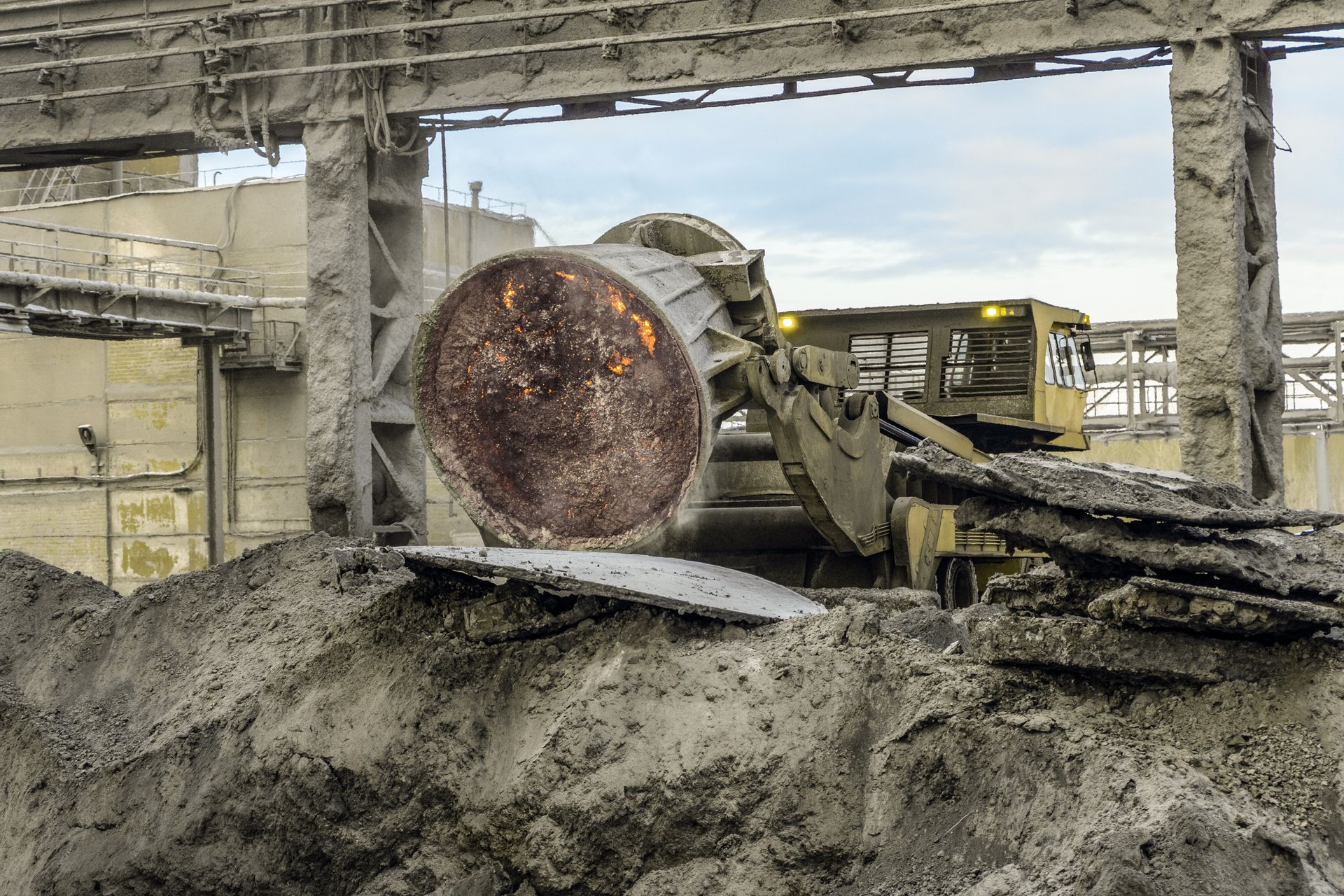
Important: Prior to incineration, each material requires waste profiling and sample analysis to ensure proper handling and facility acceptance. Some materials require special handling or may be restricted by a facility's permit (e.g., asbestos-containing materials, radioactive materials, energetic/explosive items, and intact pressurized containers). Acceptance is determined through profiling and the receiving facility's permit conditions.
When to Consider Incineration Disposal
Waste Volume Reduction
Incineration significantly decreases waste volume, reducing landfill usage and disposal costs by reducing overall mass and bulk, converting materials into lighter ash, minimizing long-term disposal costs (less landfill space required), and extending landfill capacity where landfill space is limited.
Particularly valuable for high-volume waste generators where transportation and disposal costs are substantial.
Destruction of Toxic Organic Compounds
Incineration destroys toxic and hazardous organic substances preventing leaching into soil or groundwater and transforming them into compounds suitable for final disposal.
Effectively destroys:
- Halogenated organics - PCBs, chlorinated solvents, pesticides
- Aromatic hydrocarbons - Benzene, toluene, xylene
- Pharmaceutical compounds - APIs, expired medications
- Dioxins and furans - Created and destroyed during proper combustion
- Volatile organic compounds (VOCs) - Solvents, paint waste
EPA regulations require destruction and removal efficiency (DRE) of 99.99% for principal organic hazardous constituents (POHCs) under 40 CFR Part 264.343. Permitted hazardous waste combustors must meet required destruction and control standards; performance requirements depend on permit conditions and the waste stream.
Energy Recovery
Energy from incineration can be recovered and used to power industrial facilities or support municipal energy grids, recovering energy from waste to offset conventional fuel use.
Energy recovery benefits:
- Reduces fossil fuel consumption
- Generates carbon credits in some jurisdictions
- Offsets disposal costs through energy sales
- Supports corporate sustainability and ESG goals
Waste-to-energy (WTE) facilities process municipal solid waste and industrial waste generating electricity while reducing landfill volumes. High-BTU materials (plastics, solvents, paper) can provide meaningful heating value depending on composition and moisture content.
Pathogen and Odor Elimination
Burning organic waste eliminates odors, kills pathogens, and prevents the accumulation of pests that thrive in untreated waste environments.
Critical for:
- Medical waste - Destroying infectious materials and pharmaceuticals
- Food processing waste - Eliminating pathogens and spoilage odors
- Agricultural waste - Destroying plant diseases and pests
- Biosolids - Disinfecting wastewater treatment sludge
High-temperature incineration ensures complete pathogen destruction meeting applicable state medical/infectious waste treatment requirements and the facility's air permit conditions.
Materials We Incinerate & Industries Served
Materials We Incinerate & Industries Served
Solvents & Chemical Waste
Typical Materials: Acetone, toluene, xylene, methanol, paint thinners, spent solvents, chemical process residues, off-spec products
Industries: Manufacturing, chemical processing, pharmaceutical production, laboratories, automotive coating
PCBs (Polychlorinated Biphenyls)
Typical Materials: Transformer oil, capacitor dielectric fluid, hydraulic fluids, PCB-contaminated soil and equipment
Industries: Electric utilities, power generation, industrial facilities with legacy electrical equipment
Regulation: TSCA 40 CFR Part 761 requires disposal at EPA-approved high-temperature incinerators achieving 99.9999% DRE
Pharmaceutical & Healthcare Waste
Typical Materials: Expired medications, active pharmaceutical ingredients (APIs), chemotherapy drugs, controlled substances, contaminated packaging, medical sharps
Industries: Hospitals, pharmaceutical manufacturing, compounding pharmacies, veterinary clinics, research laboratories
Regulation: DEA controlled substance destruction requirements; applicable state medical/infectious waste rules and RCRA requirements when a waste is hazardous
Pesticides & Agricultural Chemicals
Typical Materials: Expired pesticides, herbicides, fungicides, formulation errors, contaminated rinsate, obsolete agricultural chemicals
Industries: Agriculture, pest control, chemical manufacturing, research institutions, government stockpiles
Benefit: Prevents groundwater contamination and human exposure from land disposal
Contaminated Soil & Sludge
Typical Materials: Petroleum-contaminated soil, solvent-impacted soil, industrial sludges, tank bottom residues, wastewater treatment biosolids
Industries: Petroleum terminals, manufacturing sites, remediation projects, wastewater treatment plants
Process: Thermal desorption or direct incineration destroying organic contaminants while recovering clean soil/ash
Food & Agricultural Waste
Typical Materials: Spoiled food products, meat processing waste, crop residues, expired food inventory, packaging contaminated with organics
Industries: Food processing, grocery distribution, agricultural operations, restaurants
Benefit: Energy recovery from organic materials; pathogen destruction
Ammunition & Defense Materials
Typical Materials: Propellants, energetic materials, contaminated equipment, obsolete munitions (after demilitarization)
Industries: Military installations, defense contractors, law enforcement, explosive manufacturing
Special Handling: Requires specialized explosive-rated incinerators with enhanced safety controls
The Incineration Process
Step 1: Waste Loading
Waste is loaded into a sealed incineration chamber fully containing the material, heat, and emissions generated during combustion. Loading procedures follow strict safety protocols preventing worker exposure and environmental releases.
Step 2: High-Temperature Combustion
The chamber is heated at high temperatures specified by the facility's permit and operating conditions. As waste breaks down, organic compounds are destroyed through oxidation. Gases released include carbon dioxide (CO₂) from carbon combustion, nitrogen oxides (NOₓ) from atmospheric nitrogen, water vapor (H₂O) from hydrogen combustion, and trace emissions controlled by pollution equipment. Solid waste is reduced to compact ash and soot—often a small fraction of the original volume.
Step 3: Emission Control Systems
All gases and particulates are filtered, treated, and continuously monitored ensuring compliance with EPA Clean Air Act standards (42 USC §7401 et seq) and state air quality regulations.
Pollution control equipment includes:
- Scrubbers - Chemical treatment removing acid gases (HCl, SO₂)
- Baghouses - Fabric filters capturing particulate matter
- Activated carbon - Adsorbing mercury and dioxins
- Continuous emission monitors (CEMs) - Real-time tracking of emissions
Advanced incinerators meeting EPA MACT standards (40 CFR Part 63, Subpart EEE for hazardous waste combustors; CISWI units are regulated under Subpart CCCC when applicable) minimize total emissions released into the atmosphere.
Step 4: Energy Recovery
Heat generated during combustion can be captured and repurposed through heat exchange systems producing electricity via steam turbines powering facilities or grids, thermal energy for industrial heating processes, and district heating for commercial or residential buildings.
Energy recovery from waste to offset conventional fuel use transforms waste disposal into energy recovery that can offset conventional fuel use, reducing fossil fuel consumption and supporting sustainability goals.
Step 5: Residual Ash Disposal
The remaining ash, metals, and residuals—managed based on testing and disposal requirements—are safely transported and disposed in EPA Subtitle D landfills or Subtitle C hazardous waste landfills (if ash fails toxicity testing).
Ash characteristics:
- Substantial volume reduction compared to the original waste
- Non-combustible metals (iron, aluminum) recovered for recycling
- Compounds suitable for final disposal based on testing results
- TCLP testing determines regulatory classification
Complete certificates of destruction provided documenting thermal treatment and final ash disposal.
Why Work With U.S. Waste Industries
Service-Driven: Access to EPA-Permitted Incineration Facilities
Direct relationships with permitted hazardous waste incinerators nationwide ensuring waste receives proper thermal treatment. Facilities include high-temperature rotary kiln incinerators for solids and sludges, liquid injection incinerators for organic liquids, multiple hearth furnaces for biosolids, and cement kiln/co-processing options for select waste streams where permitted. Facilities operate under applicable RCRA permits and regulatory requirements for the unit type (40 CFR Part 63, Subpart EEE; additional MACT standards may apply depending on unit type). Continuous emission monitoring ensures real-time compliance. Facility audits verify operational excellence, insurance coverage, and regulatory standing protecting you from disposal site violations.
Client-Focused: Complete Waste Profiling & Transportation
Second-generation family-owned business with 30+ years in industrial services. Complete waste characterization and facility approval coordination eliminates administrative burden. Services include waste sampling and laboratory analysis (heating value, chlorine content, ash content, metals), facility waste profile submission and approval, DOT-compliant packaging and manifesting, licensed hazmat transportation to incinerators, and certificates of destruction with ash disposal documentation. Real people answer phones 7 AM-5 PM weekdays coordinating projects from waste generation through final destruction—no automated systems. Dedicated project management ensures timelines met and documentation complete.
Guaranteed Compliance: Certificates of Destruction & Documentation
Every incineration project includes comprehensive documentation proving thermal destruction and regulatory compliance. Documentation includes waste acceptance certificates from incinerators, manifests tracking transportation, thermal treatment certificates with manifest/shipment identifiers, waste description, receiving facility information, confirmation of treatment/destruction per permit, and documentation for residual management/disposal as applicable. Complete documentation protects you during EPA inspections, property transactions, and third-party audits. $21 million pollution liability insurance protects operations. Strong compliance history across thousands of projects.
REQUEST A QUOTE FOR INCINERATION SERVICES
Whether managing solvents, PCBs, pharmaceutical waste, contaminated soil, or other materials requiring thermal destruction, U.S. Waste Industries provides complete incineration coordination from waste profiling through final destruction certificates.
What to include
Provide waste type and composition, estimated quantities, known hazardous characteristics (ignitable, corrosive, toxic), current storage location, and project timeline or urgency.
Incineration Disposal FAQs
What materials cannot be incinerated?
Some materials require special handling or may be restricted by facility permits:
- Asbestos-containing materials typically require disposal at approved landfills and are not accepted by many incinerators; requirements depend on material type and applicable federal/state rules
- Radioactive waste - Incineration concentrates radioactivity in ash creating disposal challenges; requires disposal at NRC-licensed facilities per 10 CFR Part 61
- Energetic materials - Create safety hazards during loading and combustion; require demilitarization before thermal treatment or disposal via detonation
- Pressurized containers - Aerosol cans, compressed gas cylinders risk explosion; require depressurization before incineration
- High-mercury wastes may require specialized controls and may be restricted by facility permits; disposal pathway is determined by profiling and acceptance criteria
- Metallic materials - Non-combustible metals (iron, steel, aluminum) not destroyed by incineration; recycling more appropriate
Acceptance is determined through waste profiling and the receiving facility's permit conditions.
How does incineration meet EPA air quality standards?
Modern permitted incinerators operate under EPA RCRA Part B permits and meet MACT emission standards for hazardous waste combustion. Pollution control systems include scrubbers removing acid gases (HCl, SO₂, NOₓ), baghouses capturing particulate matter >99.9% efficient, activated carbon beds adsorbing mercury and dioxins, and continuous emission monitors (CEMs) tracking real-time emissions. Facilities must demonstrate 99.99% destruction and removal efficiency (DRE) for principal organic hazardous constituents (POHCs) per 40 CFR Part 264.343. Permit conditions include emission limits, monitoring requirements, and reporting to state air agencies. Violations result in facility shutdowns and penalties.
What is a Certificate of Destruction?
A Certificate of Destruction is formal documentation from the incineration facility confirming waste underwent thermal treatment meeting regulatory destruction standards. Certificate includes manifest/shipment identifiers, waste description, receiving facility information, confirmation of treatment/destruction per permit, and documentation for residual management/disposal as applicable. This documentation proves regulatory compliance, protects you from future liability, satisfies audit requirements during EPA inspections, and supports environmental due diligence for property transactions. Record retention requirements vary by generator status, permit conditions, and program; retain documentation according to applicable federal/state requirements and your internal compliance policy.
How long does the incineration process take?
Timeline depends on waste volume, facility scheduling, and transportation distance. Typical process: Waste profiling and facility approval (1-2 weeks for routine materials, 3-4 weeks for complex waste), transportation scheduling (1-3 days for regional facilities, longer for distant sites), thermal treatment at facility (1-2 days for most waste), and certificate of destruction issuance (5-10 business days post-treatment). Urgent projects expedited with higher priority scheduling. High-volume projects (multiple truckloads) may process over several weeks. Emergency situations requiring immediate thermal destruction coordinate with facilities for rapid approval and processing.
Is incineration environmentally safe?
Yes, when performed at EPA-permitted facilities meeting MACT emission standards. Modern incinerators achieve high destruction efficiency for organic compounds preventing toxic emissions. Pollution controls remove >99.9% particulates, capture acid gases via scrubbers, adsorb mercury and dioxins on activated carbon, and monitor emissions continuously. Environmental benefits include destroying persistent organic pollutants (POPs) like PCBs preventing groundwater contamination, reducing waste volume minimizing landfill space, recovering energy offsetting fossil fuel consumption, eliminating pathogens and odors, and converting hazardous waste to residuals managed per disposal requirements. EPA regulatory framework (40 CFR Parts 63, 264, 266) ensures environmental protection through stringent operational standards, emission limits, and continuous monitoring. Facilities violating standards face penalties, permit suspension, and shutdown.
Do you provide emergency incineration services?
Yes. For urgent situations requiring immediate thermal destruction—chemical releases requiring rapid disposal, contaminated materials discovered during facility transactions, emergency cleanups under EPA orders, or expired/unstable materials posing safety risks—24/7 emergency response coordinates rapid waste characterization, expedited facility approval, priority transportation scheduling, and accelerated thermal treatment. Emergency services minimize storage time, reduce liability exposure, and ensure regulatory compliance under tight timelines. Call emergency hotline 800-727-9796 for immediate assistance coordinating urgent incineration disposal.
Related Services TO Incineration Disposal
Hazardous Waste Disposal
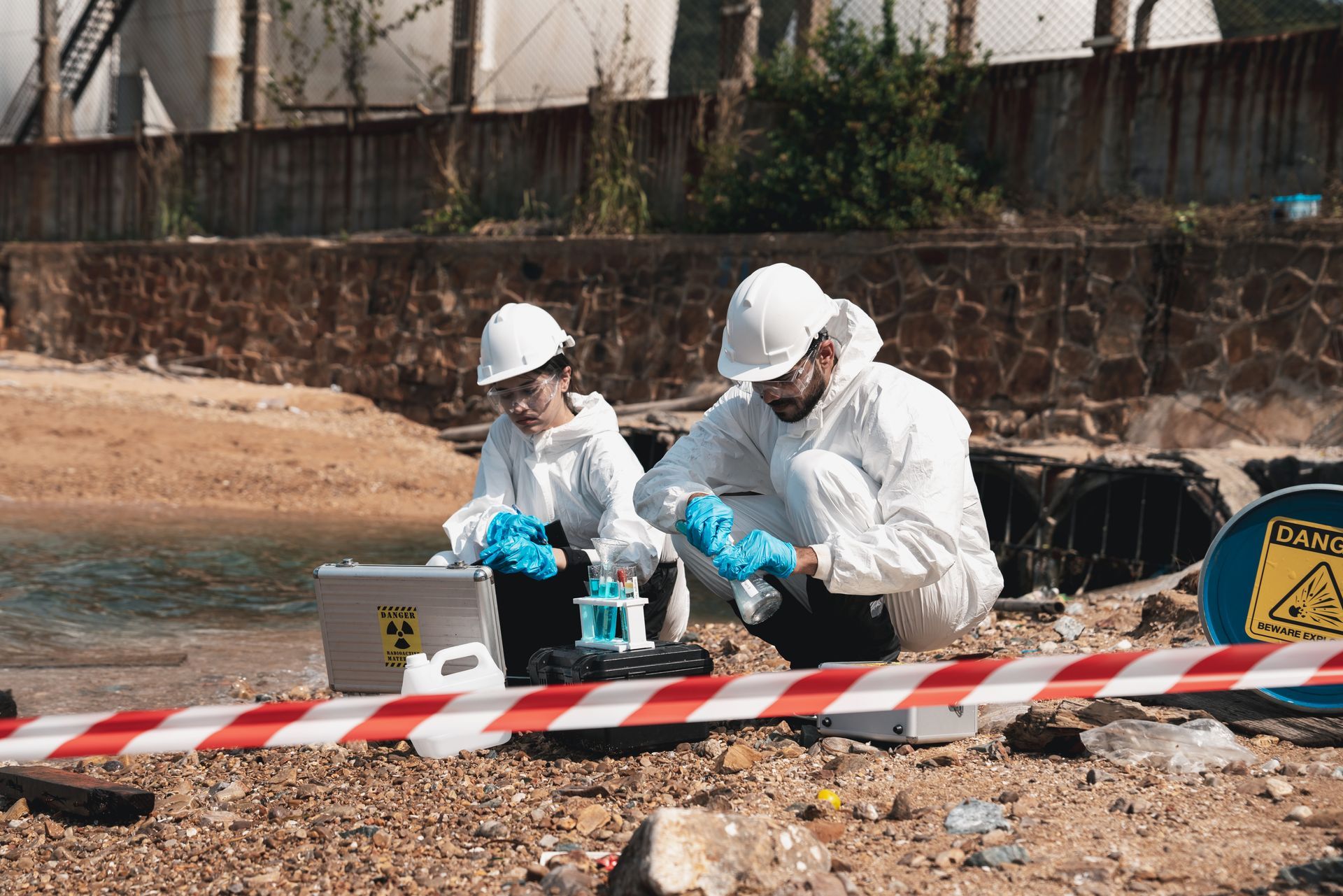
Waste unsuitable for incineration—reactive materials, asbestos, explosives, radioactive waste—requires alternative disposal methods.

Lab Pack Services
Small quantities of diverse chemicals require identification and segregation before determining appropriate disposal method—some via incineration, others via alternative treatment.
Site Remediation Services
Contaminated soil requiring thermal treatment coordinates with broader remediation projects managing both excavation and incineration under integrated timelines.
Emergency Response Services
Chemical releases or contamination discoveries requiring urgent thermal destruction transition from emergency containment to formal incineration disposal.
Hazardous Waste Disposal
Waste unsuitable for incineration—reactive materials, asbestos, explosives, radioactive waste—requires alternative disposal methods.
Lab Pack Services
Small quantities of diverse chemicals require identification and segregation before determining appropriate disposal method—some via incineration, others via alternative treatment.